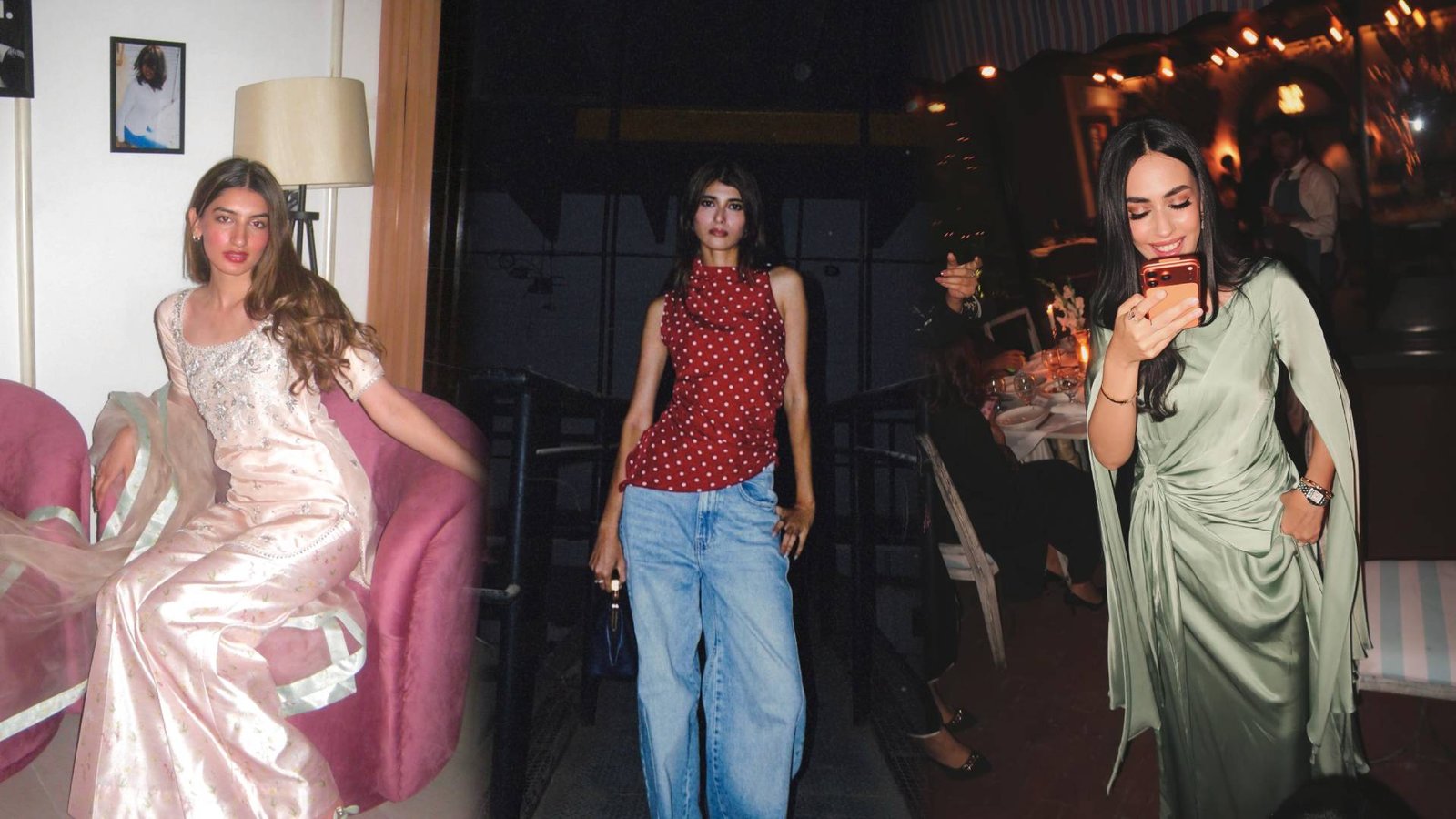
Here’s the twist nobody’s talking about. The Y2K fashion trend in Pakistan didn’t come back. It arrived, for the first time, twenty-five years late.
While TikTok in the West spent 2023 grieving over low-rise jeans they already wore once, Pakistani Gen Z is discovering tiny kurtas, polka dots, and butter-yellow palettes with zero memory attached. No nostalgia. No deja vu. Just genuine, first-contact obsession with an aesthetic the rest of the internet already buried and dug back up.
That’s the actual story. This isn’t a revival. It’s a debut, and Pakistan is running it in real time.
Loose Lips: Sadie Sink’s Spider-Man Secret Wasn’t So Secret After All
Why Pakistan Missed Its Own Y2K the First Time Around
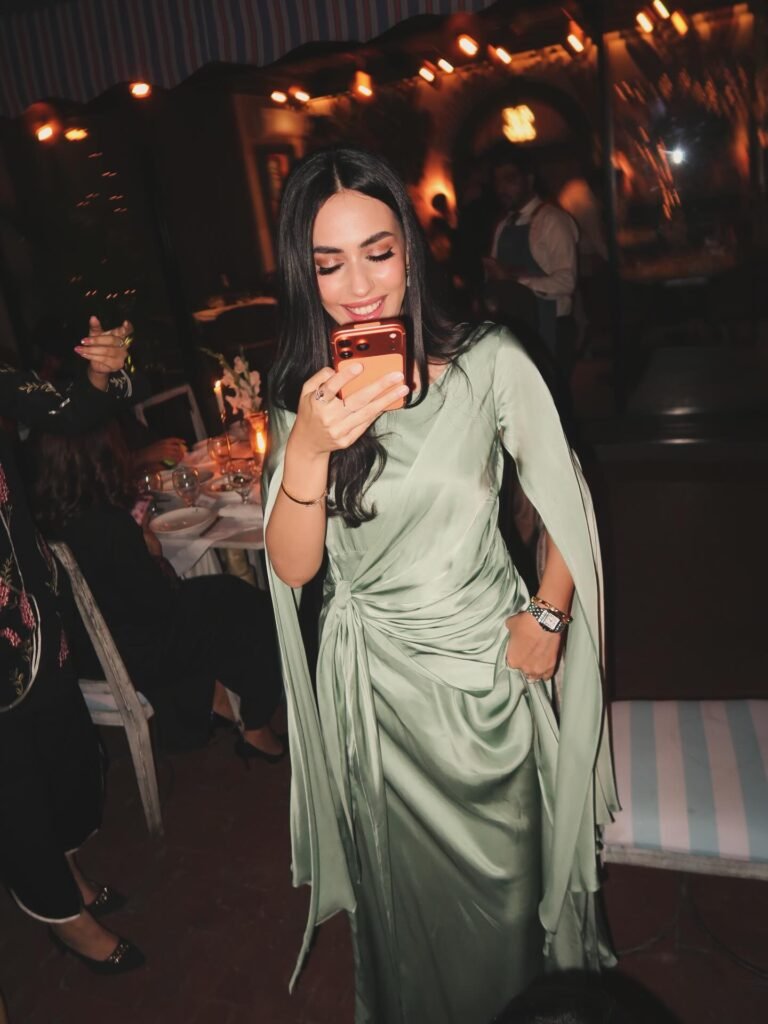
Y2K wasn’t a global moment when it actually happened. It was an American and British one, exported slowly through cable TV and pirated CDs. Pakistan in 2001 had none of the infrastructure that turns a trend into a shared cultural memory. No Instagram. No algorithm pushing capri pants to every teenager’s feed at once. Fashion moved through local designers and Lollywood, not through a synced global timeline.
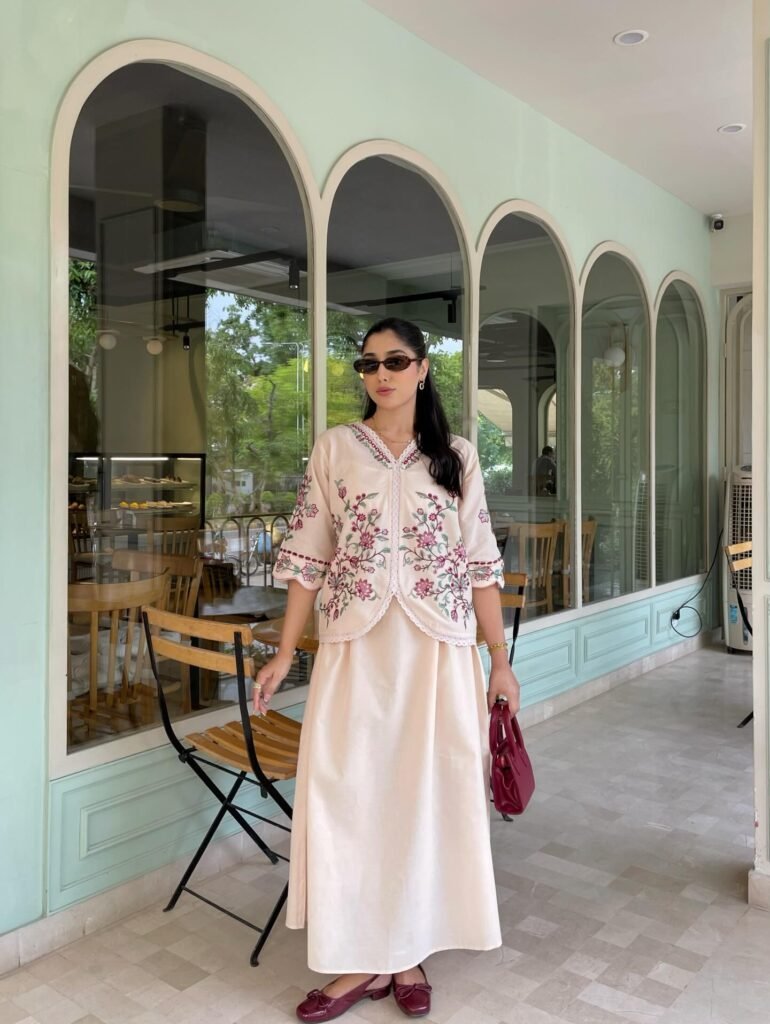
So when Western Gen Z gets misty about the early 2000s, they’re remembering something real. When Pakistani Gen Z posts a tiny kurta styled with straight-leg jeans, they’re not remembering anything. They’re inventing a memory they never had, live, in public, on camera.
That gap is exactly why this deserves its own headline instead of a footnote in someone else’s nostalgia piece.
Loose Lips: Mom Donnie on Pakistani Rapper Just Broke the Internet
What’s Actually Showing Up on Y2K Fashion Trend in Pakistan
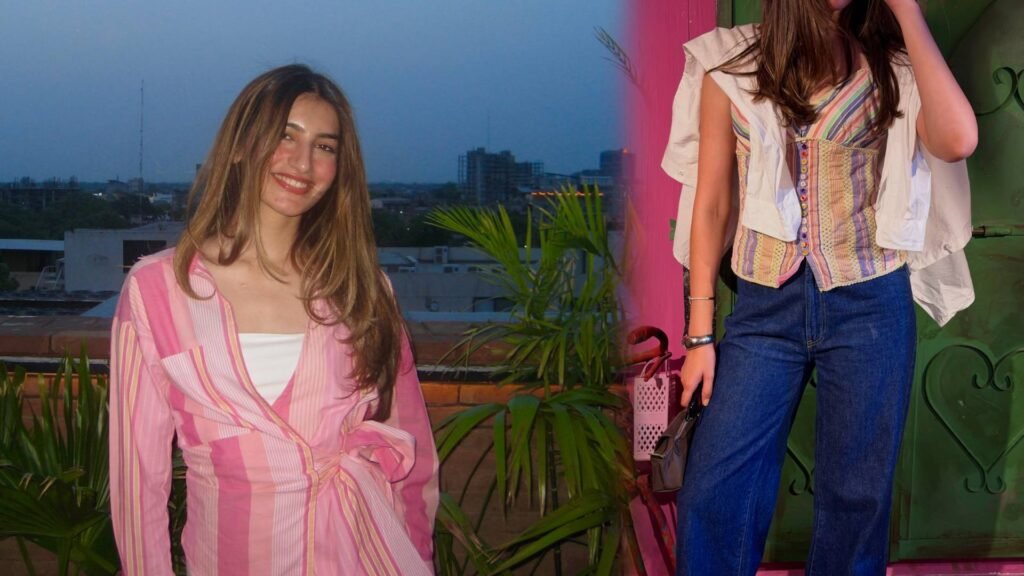
Scroll Pakistani fashion Instagram this summer and the pattern is unmistakable. Tiny kurtas paired with capris and straight-leg denim. Polka dots reclaiming space from florals. Tailored vests and oversized button-downs standing in for statement pieces. Shalwars worn with fitted tank tops, kurtas thrown over jeans, structured blazers layered on top of Eastern separates, a genuine fusion mess that somehow works.
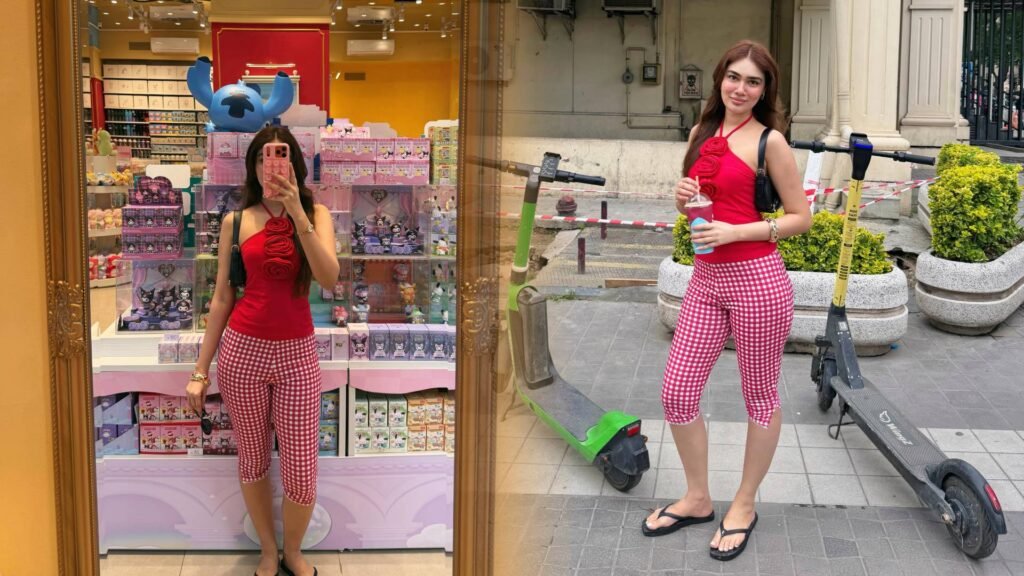
None of it reads as costume. That’s what makes it interesting. Influencers aren’t dressing up as the 2000s the way a themed party would. They’re treating tiny kurtas and polka dots as normal, wearable, current options, because for them, that’s exactly what these pieces are. This is the difference between borrowing an era and actually living inside a new one built from its parts.
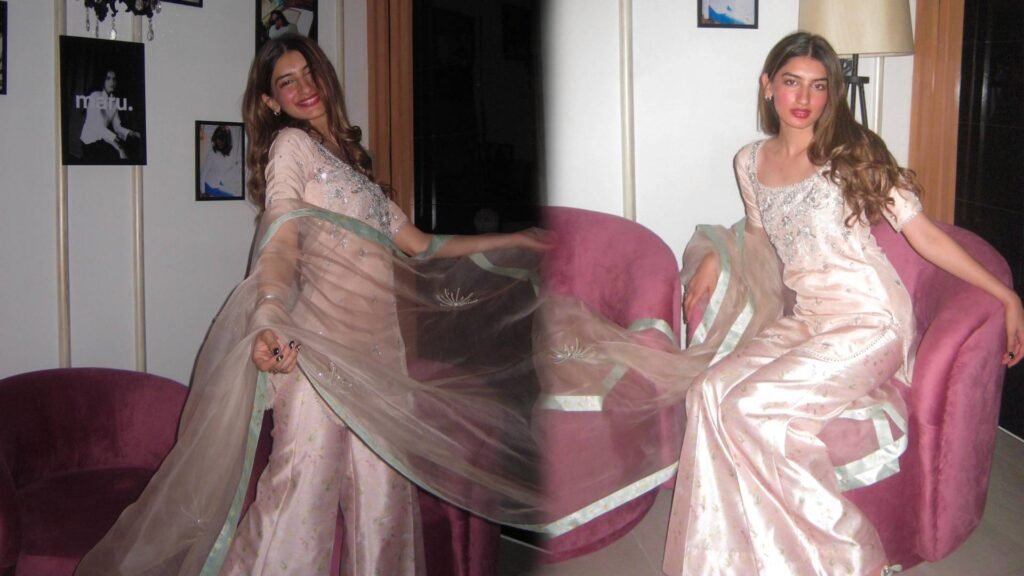
Quill Quest Magazine flagged the global nostalgia wave back in 2025, when Y2K was already dominating runways and playlists everywhere else. Pakistan sat that one out. What’s happening now is the delayed second half of that story, and it’s arguably the more interesting half, because nobody scripted it. Local influencers built this version themselves, out of pieces that were always sitting in their mothers’ old wardrobes.
That’s the part every other Y2K think piece is missing. This didn’t trickle down from New York or Seoul. It came from somewhere much closer to home.
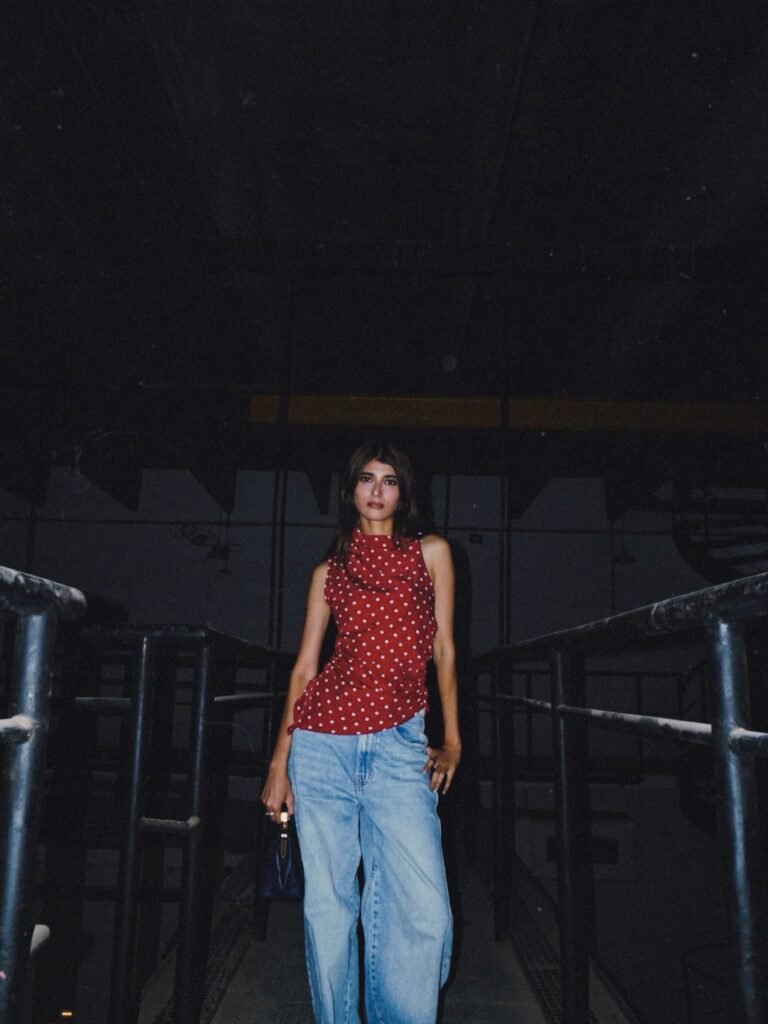
So here’s the actual question worth sitting with. When Pakistan finally gets its Y2K moment a quarter century late, does it belong to the designers and influencers building it right now, or does it just become one more trend Instagram’s algorithm eventually flattens into content? Pakistan skipped the memory. It shouldn’t skip owning the moment too.