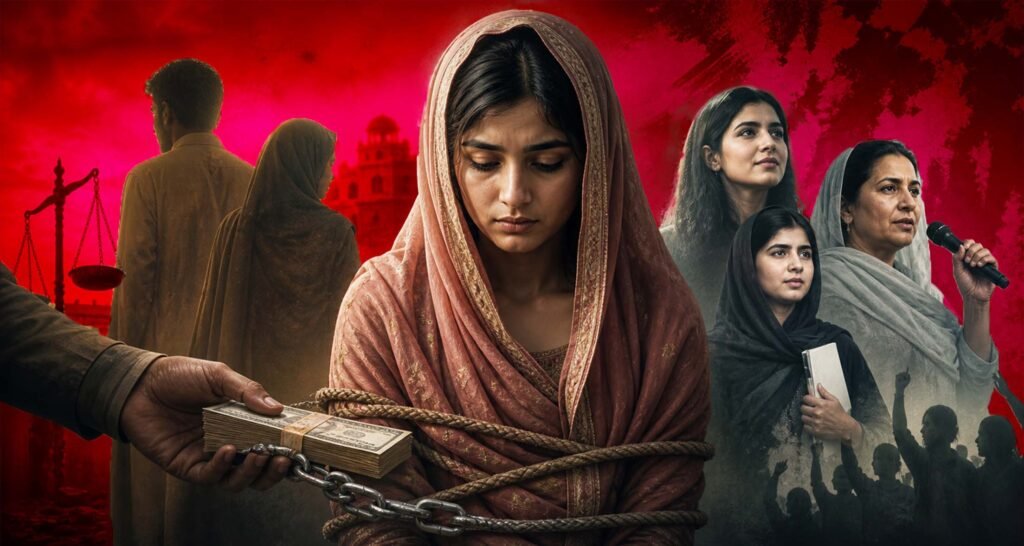
MARWA TAHIR / Pakistan
My elder sister wanted things no one around her had dared to want before. During 2011 to 2018, Imran Khan motivated young Pakistanis at universities and conventions across the country. He told them to think big, raise their standards, and believe in themselves. My sister heard those words. She turned our entire house upside down with her dreams and big talks. Every time someone disagreed, she repeated the same line: “Khan Sahab said young people should dream big.”
Not every girl in Pakistan gets to hear that line. Transactional marriage in Pakistan makes sure most of them never do.
Despite being born in a huge and wealthy city like Karachi, my father had a strangely liberal yet conservative mindset. My father had a different response. He broke his own daughter’s heart with one sentence.
“Billi ke khwab mein chichray, aur wo bhi keeray walay.”
A cat only dreams of scraps, and even those have worms in them. Stretch your legs according to your blanket. Stay within your limits.
My father, to my sister, circa 2021
My sister’s answer was instant. She said, then I will bring a king-sized blanket. If my feet go beyond it, let them. I will still think big.”
She saved herself. Not every girl in Pakistan does.
Transactional marriage in Pakistan starts exactly like this. It starts before anyone calls it by that name. It begins with the shrinking of a girl’s imagination. A family hands a daughter over. The conditioning has already done most of the work.
Trending: Is Imran Khan a Playboy? The Truth Behind the Rumors
The Conditioning That Starts Before She Can Dream
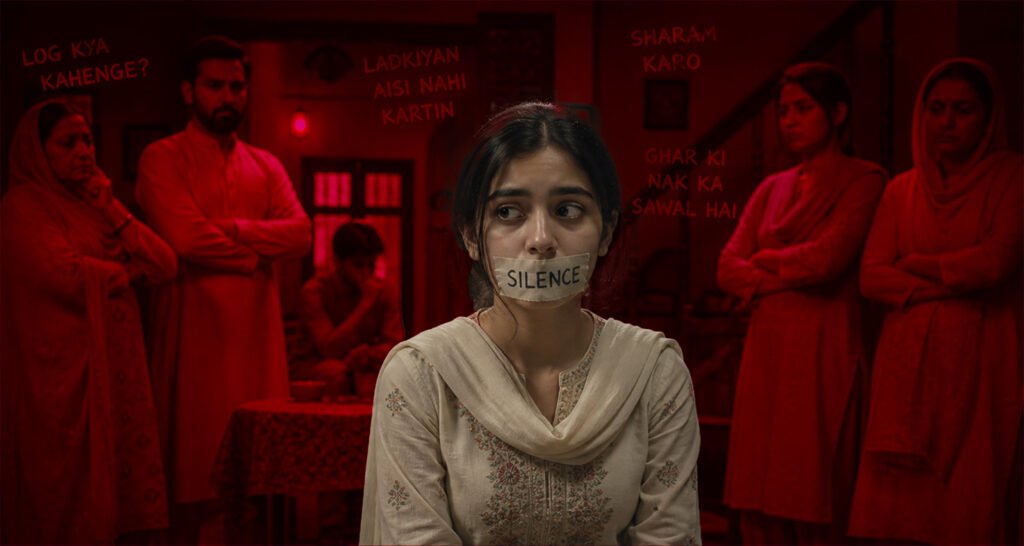
Girls in many Pakistani households learn silence before they learn confidence. They absorb it through small corrections, sharp looks, and repeated warnings. They learn that dreaming too loudly attracts shame.
This conditioning is not accidental. Researcher Richard Nisbett documented how honor cultures tie family reputation directly to women’s behavior. A daughter who acts independently signals damage to her family’s standing. Control over her becomes a moral duty.
The result is a girl who stops imagining futures for herself. She internalizes the limits placed around her. By adulthood, she stops fighting the walls. She has already accepted them as her ceiling.
This is not a problem isolated to one village or one family. It plays out across living rooms, school gates, and wedding halls throughout Pakistan and across South Asia.
Quill Quest Survey Exposes the Hidden Pressures Behind Wedding Spendings in Pakistan
Why Do Families Treat Daughters as Burdens?
According to UNICEF, approximately 18% of Pakistani girls marry before the age of 18. In rural areas, that number climbs significantly higher.
UNFPA names South Asia as the region with the world’s highest concentration of child marriages. In some countries across the region, up to 45% of girls marry before adulthood.
The World Bank identifies poverty as a primary driver of early marriage. Poor families face relentless short-term pressure. A daughter they cannot feed becomes a financial burden to transfer.
But poverty alone does not explain every case. Culture, fear, and lack of education also push families toward early and transactional marriage.
The World Bank is direct: poverty creates the conditions. Social pressure closes the door.
Daughters in these environments are not seen as futures. They are seen as responsibilities with expiry dates.
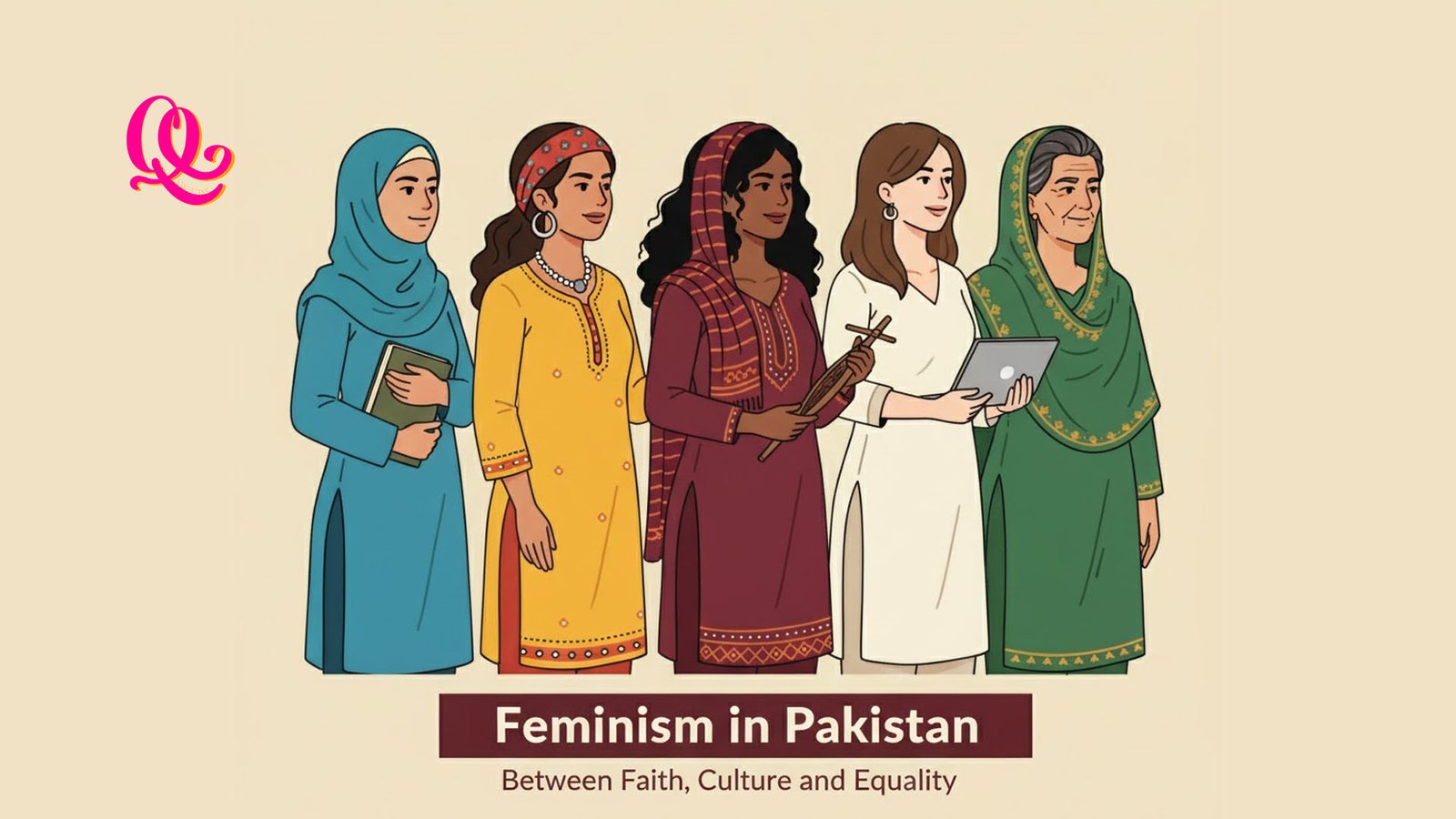
Feminism in Pakistan: The Bold Struggle Between Faith, Culture, and Equality
What Poverty Does to a Family’s Choices
Economist Esther Duflo’s research on poverty reveals a consistent pattern. Families in extreme poverty base decisions on short-term survival. Long-term consequences stop mattering when today feels unmanageable.
This explains a repeating pattern across Pakistan’s most neglected regions. A family cannot buy food. A man arrives with money and a proposal. The daughter has no voice in the room. The exchange happens fast. Everyone calls it marriage.
Transactional marriage means exchanging a girl for money, land, or debt relief. It is not a union. It is a financial arrangement made in someone else’s name.
That definition matters. Calling it marriage hides what it actually is.
In Pakistan and across South Asia, this arrangement is often dressed in wedding clothes. Celebrations happen. Families smile for photographs. The girl’s silence gets read as modesty instead of fear. The transaction completes. Then the door closes.
The Clear Fact: Modesty Isn’t Just for Women, Why Men Must Lower Their Gaze?
How Does Honor Silence the Women Who Want Out?
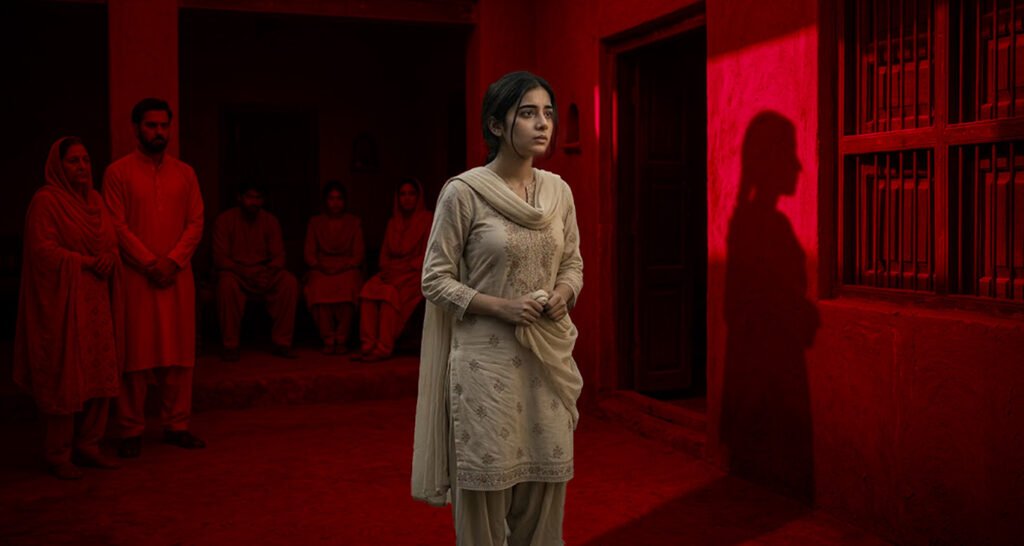
Girls who survive transactional arrangements often face a second trap. The moment they consider leaving, families invoke honor.
Pakistan recorded over 400 honor killing cases in 2024. The Human Rights Commission of Pakistan compiled these figures. Conviction rates remain extremely low. Most cases never reach a courtroom.
In 2025, a couple in Balochistan married by their own choice. A tribal jirga issued a death sentence against both. They were shot publicly. The video spread nationally and caused widespread outrage.
Amina Bibi was shot dead by her own brother. The reason stated was suspicion about her character. No court existed in her story. Her brother judged, sentenced, and executed her alone.
Richard Nisbett’s research explains this pattern. In honor cultures, reputation outweighs human life. Violence becomes morality. The family becomes the court.
The phrase families use is always the same: “Death is better than disgrace.” This mindset does not treat violence as a failure. It treats violence as a solution. That distinction is what makes it so dangerous and so persistent.
Trending: A Deeper and Realistic Look at Patriarchy in Pakistan
What Psychology Reveals About Generational Silence & Transactional Marriage in Pakistan
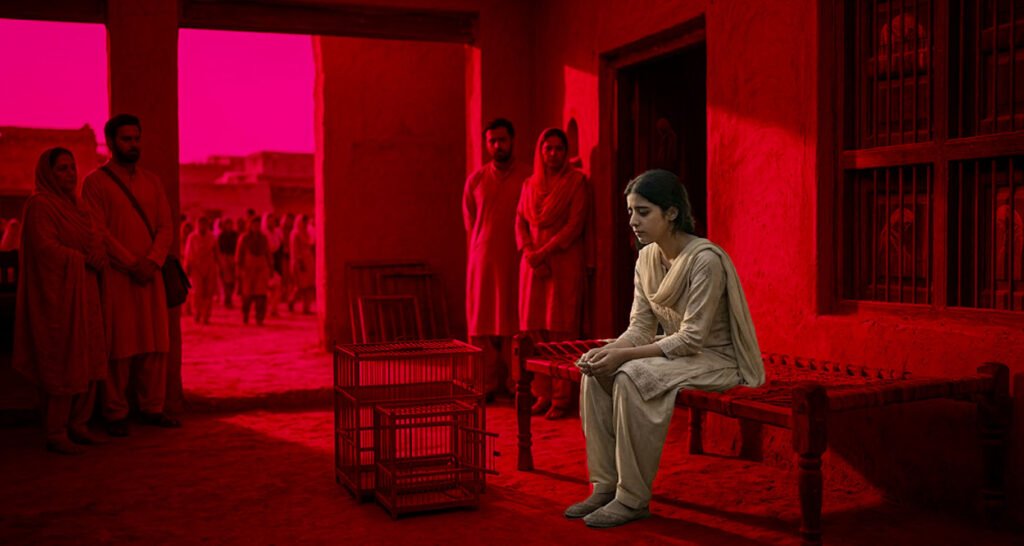
Psychologist Martin Seligman developed the concept of learned helplessness. When people repeatedly lose control over their lives, they stop trying to regain it. They begin to believe that nothing can change.
Women raised inside these systems absorb exactly this belief. Oppression becomes normal. Resistance becomes unthinkable. The cycle enforces itself without external pressure anymore.
Learned helplessness is a psychological state in which a person stops trying to escape a harmful situation because past experience has taught them that escape is impossible.
UNICEF research supports this pattern. Fear and social pressure shape family decisions more than individual cruelty does. Families follow the community because breaking from it carries real consequences. They pass those fears to their daughters. The daughters carry them forward.
This is how a system survives generations without a single written law protecting it.
The women who grow up inside it do not always know it is a system. They experience it as weather. Something that simply exists. Something they were born into and cannot change. That misunderstanding is the system’s greatest weapon.
1,956 Cases in 6 Months: The Alarming Surge of Child Abuse in Pakistan
The Women Who Refused to Be Transactions
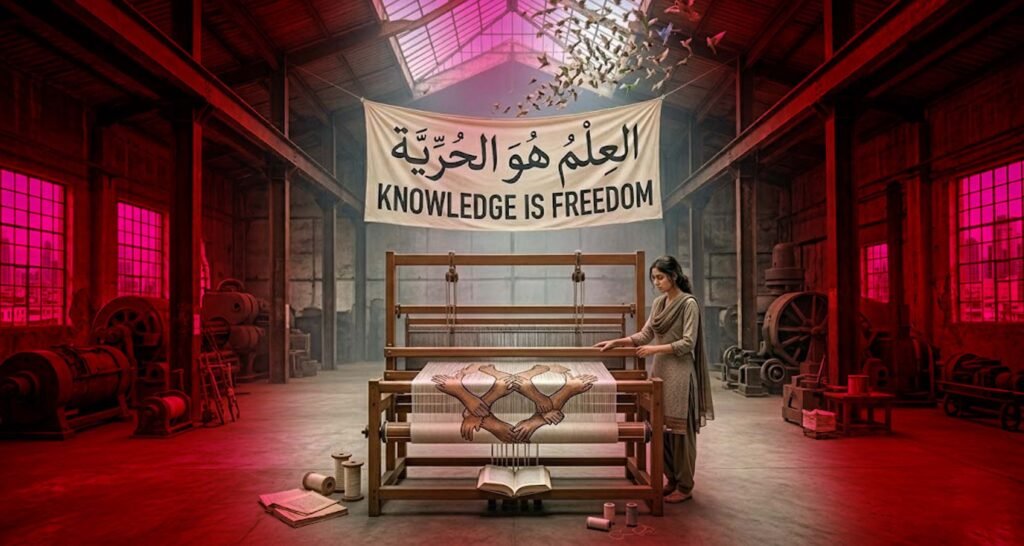
Some women refused the terms placed on them. Their stories carry weight precisely because they were not exceptional by birth. They were ordinary women who made extraordinary choices.
Mukhtaran Mai survived brutal gang violence in Punjab. She fought for justice in court and built schools for girls in her own community. She refused silence when silence was the only thing society offered her.
Malala Yousafzai survived an assassination attempt for speaking about girls’ education. She became a global symbol against the exact systems that tried to erase her voice.
Qandeel Baloch lived on her own terms in a country that punishes women for doing exactly that. Her brother murdered her in the name of honor. Pakistan debated her character instead of mourning her death.
History remembers each of them. It does not remember those who kept them quiet.
These names are not exceptions to the rule. They are proof that the rule can be broken. That is precisely why these systems work so hard to destroy the women who break them.
What Islam Actually Teaches About Daughters
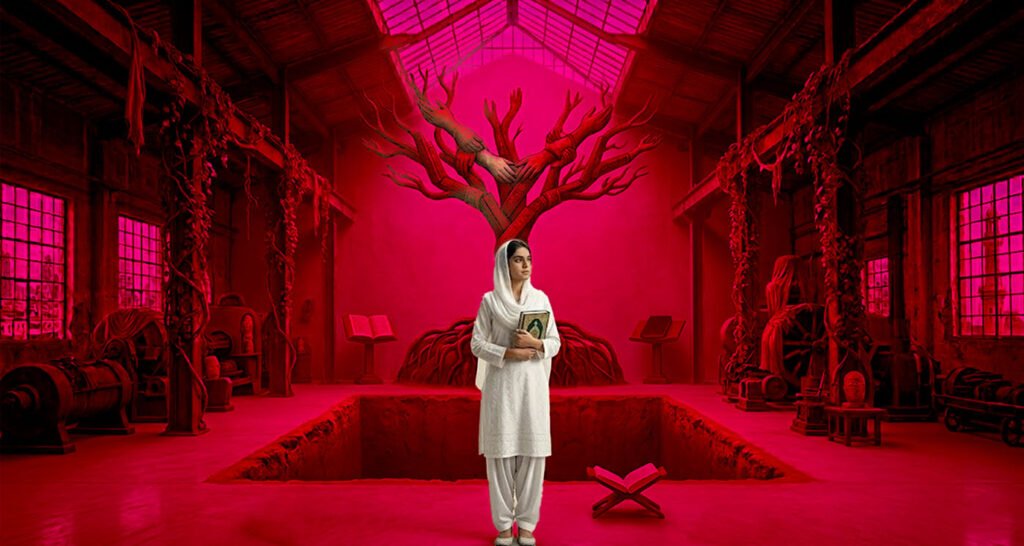
Pakistan frequently uses religion to justify cultural tradition. But Islamic texts point in a different direction entirely.
Surah An-Nahl in the Quran condemns men who feel shame at a daughter’s birth. Surah At-Takwir states that on the Day of Judgment, the buried girl will be asked what crime justified her death. The Quran never asks whether family honor was worth it.
The Prophet ﷺ promised closeness to himself on Judgment Day for those who raise daughters well. He showed consistent love and public respect toward his daughter Fatimah. These are not fringe interpretations. They are foundational Islamic teachings recorded in authentic hadith collections.
In Sahih Muslim, Allah says in a Hadith Qudsi: “If the first and the last of mankind all gathered and asked Me, and I gave every one of them what they requested, it would not decrease My kingdom in the slightest.” The meaning is direct. Asking for the best does not diminish Allah. Limiting a daughter’s dreams does not honor Him.
The problem in Pakistan is not Islam. Culture has replaced religion in the spaces where justice should live. That replacement is the actual crisis.
Our Latest Stories: Pete Hegseth Wife Dress Is $42 and America Has Thoughts
Final Thoughts
The girls who disappear into these arrangements do not vanish suddenly. They disappear slowly, one limitation at a time, until they cannot picture any other life.
Transactional marriage in Pakistan is not tradition. It is a system built from poverty, fear, conditioning, and silence. It survives because communities protect it and states fail to challenge it. The law exists on paper. Justice rarely follows.
Mukhtaran Mai built schools. Malala named what was happening to girls in front of the world. Qandeel Baloch refused the terms entirely. All three are remembered for exactly that refusal.
Pakistan must decide which voice it amplifies. One voice justifies silence in the name of honor. The other keeps speaking despite everything built to stop it. History has always remembered the second one. The question is whether this generation will wait for history, or build it themselves.



So proud of the sister
The article expertly and intelligently covers a sensitive topic of transactional marriage in Pakistan. It clearly highlights how traditions are rooted in family and are increasingly influenced by material exchange and personal negotiation. The author’s presentation is powerful as well as elegant, reflecting the depth of this morphing with precise and forceful language. Overall, the essay is admirable for its clarity, advice, and exquisite word choice in discussing such a challenging subject.
The way the author connected personal experiences with the bigger issue of transactional marriage made this feel really real instead of just another article. The line about women experiencing it “like weather” genuinely stayed with me. Such a thoughtful and powerful write up…Good work by author