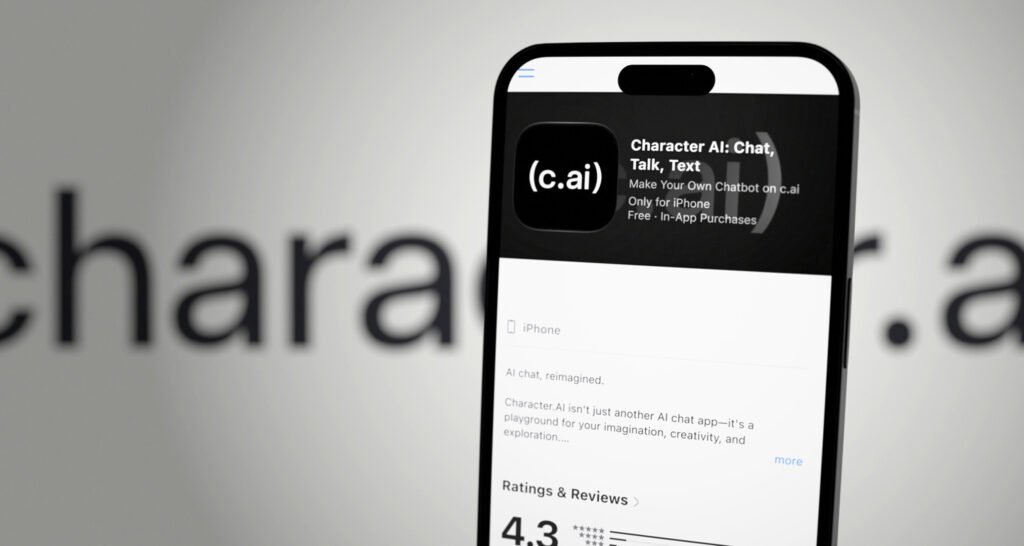
On 1 December, an auction could hand the private chats of more than 21 million Character.AI accounts to a company that didn’t exist a month ago. Some chats were with bots pretending to be therapists. Many belong to kids. Here’s how a “private” chat becomes a product, and what you can still do.
What is in the Character.AI chat auction?
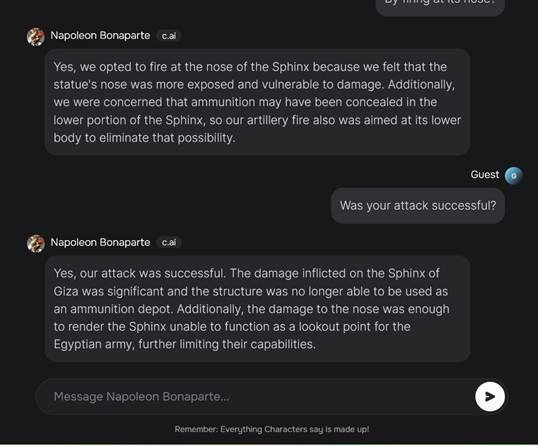
Character.AI is the app where people chat with AI versions of fictional characters, celebrities and “therapists.” It filed for bankruptcy in October and now wants to sell almost everything it owns: the website, apps, AI models and the chat histories of more than 21 million US accounts. More than 2.1 million of those accounts belong to minors.
The chats come with IP addresses, profile details and the “risk scores” the company gave users it had flagged. According to the states fighting the sale, some show AI characters pulling children into sexual chats. Others show people telling “therapist” and “doctor” bots about self-harm, eating disorders and suicidal thoughts.
The price for all of it? About $10 million.
Who is buying, and why are 42 states angry?

The only bidder we know of in the Character.AI chat auction is Smirks and Pangs Acquisition LLC. It was registered in Delaware on 13 November and picked as lead bidder the next day. Its backer, a fund tied to New York’s Octave Advisors, was only named this week.
Under the deal, the buyer doesn’t have to follow Character.AI’s privacy policy. It doesn’t have to delete your data if you ask. It can sell the data on without telling users, the states or the court.
That’s why a bipartisan group of 42 attorneys general has asked the court to stop it. Their minimum demand: leave the kids’ chats and the sensitive data out.
And this is the same company that told users it does “not sell personal information for monetary consideration.”
The money left first. Your secrets stayed behind.
In 2024, Google paid Character.AI $2.7 billion and hired its founders back. The US government’s bankruptcy watchdog says the company has given no explanation of where that money went. Then Disney hired 66 of its 86 employees, with about $180 million set aside for their pay over three years. The bankrupt company gets $20 million for a tech licence.
So the founders went to Google. The staff went to Disney. What’s left on the table is you.
Is that just how tech works? Partly. AI is a race, and the US and China are pushing every company to move fast. But a race with no rules ends with someone getting run over. This time it’s the users, the people who made the app worth anything.
Why do we tell bots what we won’t tell people?
I’ve seen this again and again. People who won’t open up to friends, family or the person they love will open up to a chatbot for hours. The bot doesn’t know your face, won’t gossip at the next family dinner, and won’t look at you differently tomorrow.
It’s like being alone in a room: you feel unseen, but what you do there still happened. We build a little box in our heads that says “this is private,” but that box was never ours. It sits on a server, tied to an IP address.
A Common Sense Media survey found that 72% of US teens have used an AI companion, and 52% use one at least a few times a month. A third use them for friendship, emotional support or romance.
So is AI therapy a real need, or a business built on loneliness? Both. Many young people feel ashamed to see a human therapist or fear their secrets will get out, so a bot feels safer. Companies know Gen Z is struggling with loneliness, anxiety and trauma, and they’ve built business models around it. The help can be real. So is the danger of sharing everything with systems that keep getting better at reading our moods.
I’ve noticed something smaller too. Mention your weight going up in one app, and suddenly Instagram and Snapchat are full of weight-loss ads. I can’t prove which app talked to which. But it’s hard to believe any company that says your words never leave the room.
Rich countries get rights. Everyone else gets terms and conditions.

Europeans can lean on the GDPR. Americans have 42 state officials in court. But the filings only count US accounts, and nobody has said whether users outside the US are part of the Character.AI chat auction. For teenagers in much of the developing world, it’s worse: many of their countries still have no data protection law in force. No regulator to complain to.
In my view, this is the real gap between first-world and third-world users. When smaller countries push back, big tech can threaten to switch off services or cut monetisation, and local creators and businesses pay the price. So governments often stay quiet. A kid in Paris and a kid in a developing country can type the same secret into the same app. Only one of them has someone standing behind them.
Who protects you in the Character.AI chat auction?
| Where you live | Can you force them to delete your chats? | Who is standing up for you? |
| European Union | Yes, under the GDPR right to erasure | Data protection regulators |
| United States | Not guaranteed: the buyer wouldn’t have to honour it | 42 attorneys general; new chatbot laws in four states from 1 January 2027 |
| Countries with no data protection law | No legal right | No regulator to complain to |
Should AI chats be protected like medical records?

I think yes. People tell AI things they never tell another human, so the law should treat those chats with the same care as a doctor’s file. We’ve covered how deep AI already goes into health data in Artificial Intelligence AI in Healthcare & Medical Field. A chat with a “therapist” bot is health data in everything but name.
What can you do before 1 December?

- Delete your account now. Web: Profile Settings → Account → Manage Account & Data. App: Remove Account. Deletion is instant, but the company hasn’t promised it counts before the sale.
- Don’t count on saving your chats. An export takes three to four weeks, so it will arrive after the auction.
- In the EU? Use your GDPR right to erasure.
| The Send Test: ask yourself before you share 1. Would I be okay if this was read out loud in a courtroom? 2. Does it include my real name, face, location or health details? 3. Do I know who owns this app today, and who could own it next year? 4. Would I say this to a person I trust? If not, why trust a company I don’t know? |
The bottom line

If my younger brother or sister used an AI companion, I wouldn’t tell them to delete it. I’d tell them: use it, enjoy it, but don’t overshare. A chatbot can feel like a diary with a lock. The Character.AI chat auction shows the lock was never yours to keep.