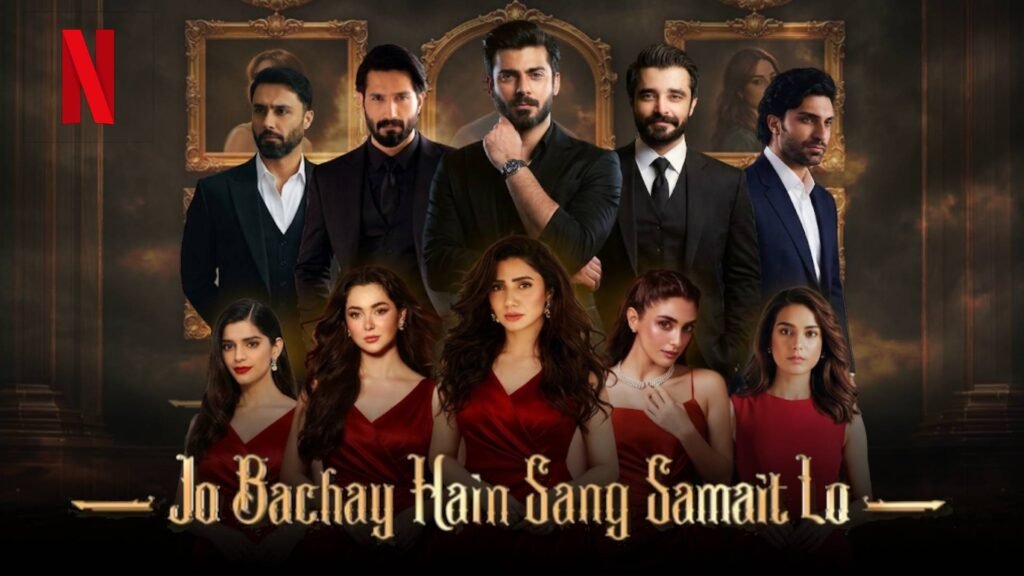
Pakistani dramas have been on Netflix for years, so why is everyone calling Jo Bachay Hain Sang Samait Lo the first Pakistani Netflix original? Because this time, Netflix didn’t shop for a finished show. It paid for one to be made from scratch. That small detail could change who gets to tell Pakistani stories next, and how.
Licensed vs commissioned, explained like you’re busy
Up to now, the route was simple. A drama aired on a local channel at 8pm, ran its course, and then a streamer bought the rights to show it abroad. Netflix was a second home, not the first one.
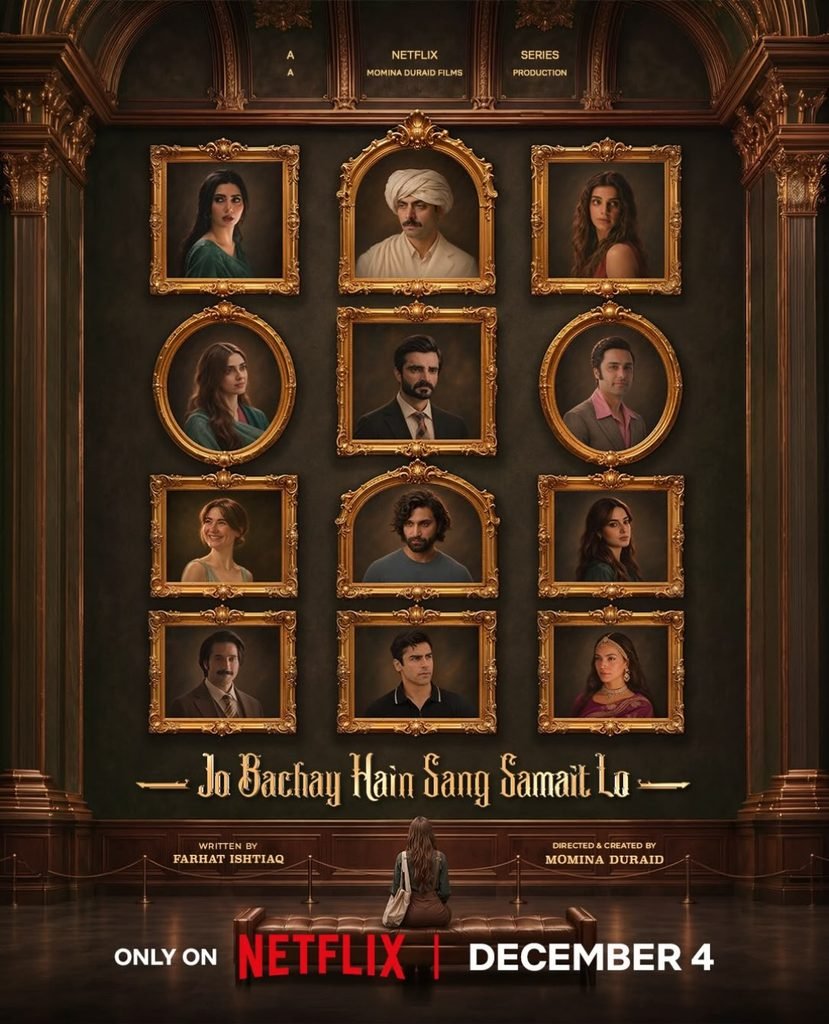
Jo Bachay Hain Sang Samait Lo flips that. It was developed for Netflix from day one, which is why outlets have been careful to describe it as a commissioned original rather than a licensed drama. The show was written for a binge, not for a weekly slot with ad breaks every seven minutes.
For a Gen Z viewer that sounds like a technicality. For the industry it’s the whole game. A commission means Netflix decides early on budget, tone, length and where the show goes in the world. A licence just means Netflix shows up at the end with a cheque.
Why the deal ran through Dubai
Here is the part almost nobody talks about. The show wasn’t greenlit by some Netflix Pakistan office, because there isn’t one. When Variety broke the story in August 2023, it reported that the commission came from the Netflix Middle East and North Africa team, with Dubai-based Momina Duraid Films FZ – LLC producing and Duraid serving as showrunner.
That tells you how Netflix sees Pakistani content: as part of a wider Urdu and Hindi-speaking audience across the Gulf, the UK and North America, not as a local-market play. The numbers back that up. A 2023 Crux report cited by NewsBytes put Netflix’s Pakistani subscribers at roughly 300,000 out of 232 million worldwide. If this show was only for Pakistan, it would never have been made.
It also explains the locations. Filming moved between Pakistan, Italy and the UK, which fits a story set largely in Rome and a business plan aimed far beyond Lahore and Karachi.
Three years, two delays and one finished show
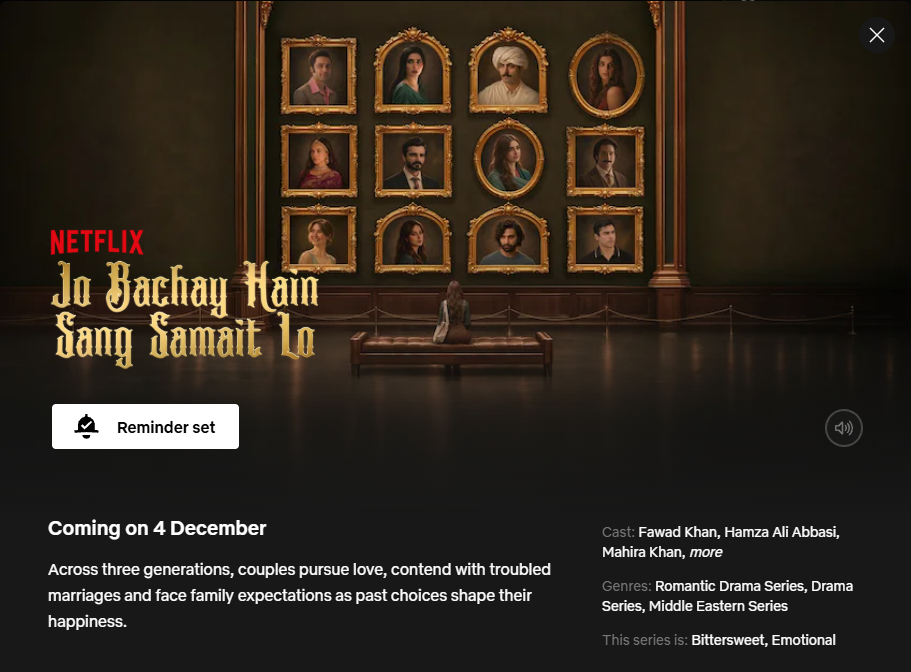
Patience has been part of the deal. The project was announced in 2023, given a June 2025 slot, then pushed back for more production work. In September 2026, director Saife Hassan, who also led post-production, said the work was done. Netflix has now locked 4 December 2026 as the premiere date, with the official soundtrack due on 24 November.
Pakistani TV rarely has that luxury. Local dramas are often still being shot while early episodes air. A commissioned show gets finished, polished and delivered as one complete thing. Whether that polish shows on screen is the real test.
What a Netflix show can do that 8pm TV can’t
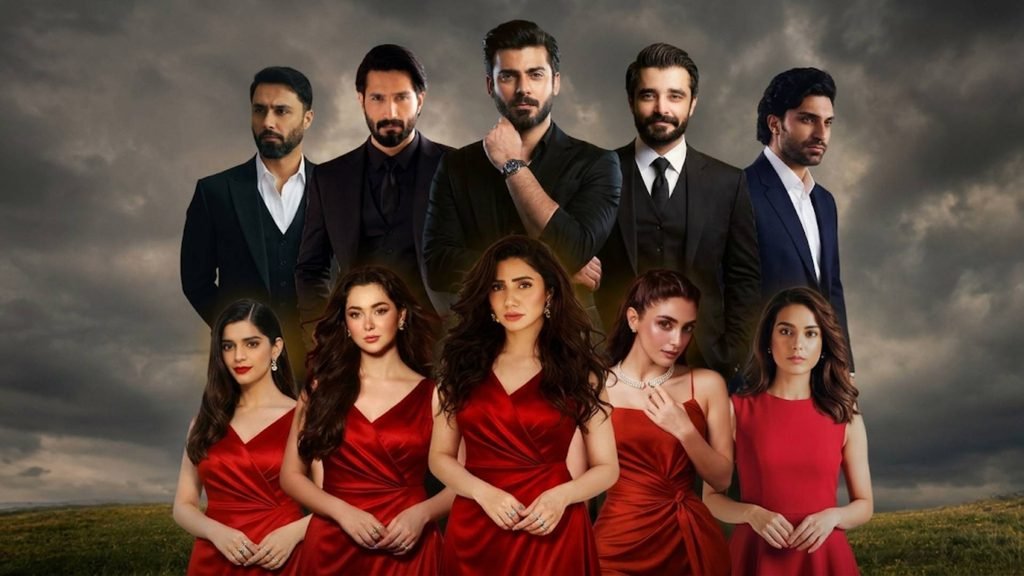
Farhat Ishtiaq’s 2013 novel sits on a heavy secret. Without spoiling too much: the hero, Sikandar, is a man whose life was wrecked by a lie, and the book spends real time on his trauma, insomnia and isolation. That’s harder to stretch across thirty-odd ad-heavy episodes aimed at the whole family at dinner time.
A streaming season doesn’t need filler, fake cliffhangers or a wedding every few weeks to keep ratings up. It can stay with a broken character for an entire episode. It can also move between three generations of one family, which is reportedly what the series does, without losing viewers who only tune in on Tuesdays.
None of this guarantees the show will be braver than TV. It just means it has the room to be.
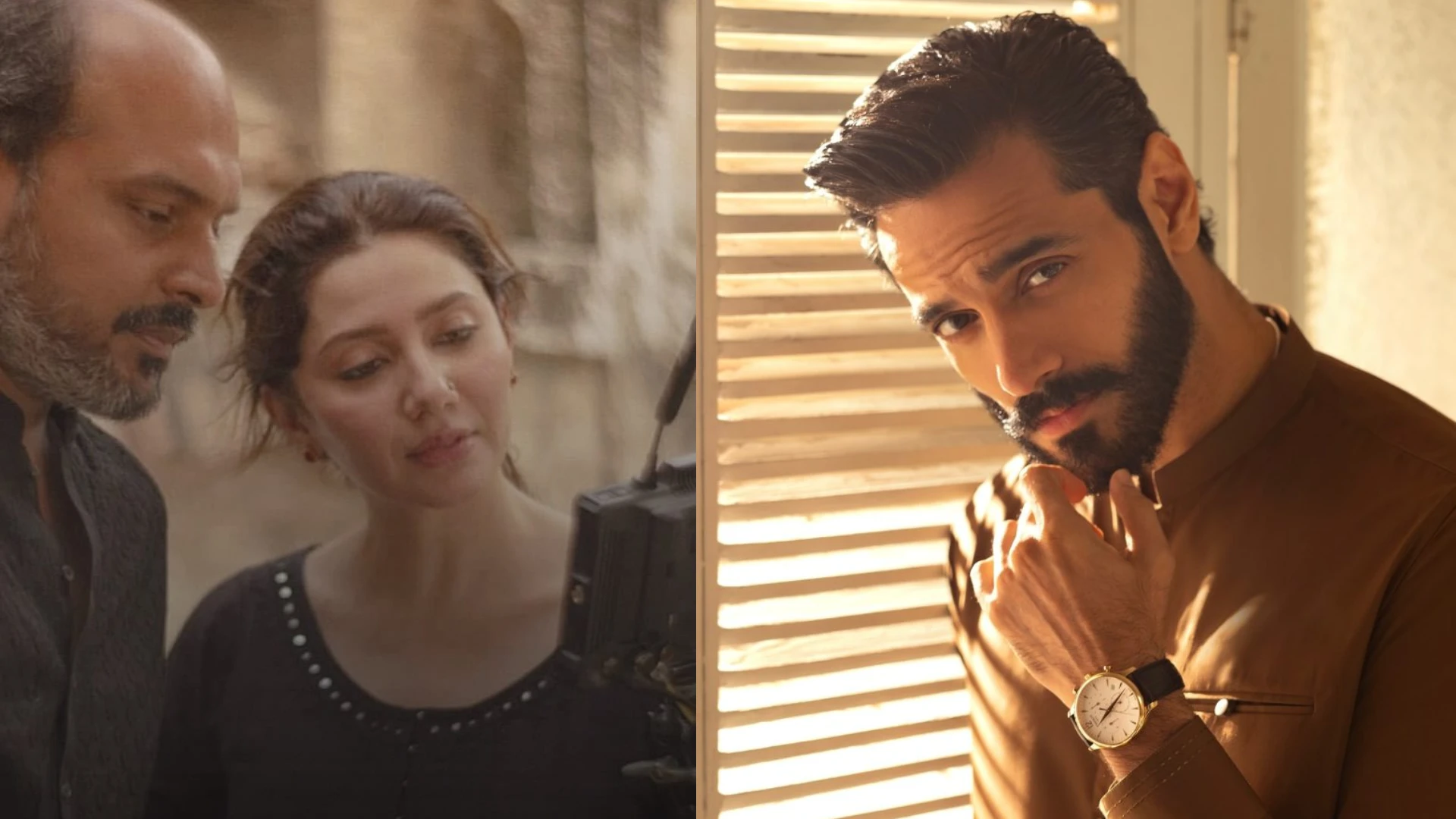
[IMAGE] File: first-pakistani-netflix-original-rome-set.jpg
Alt text: Ahad Raza Mir and Iqra Aziz filming Jo Bachay Hain Sang Samait Lo in Rome for the first Pakistani Netflix original
Source: Behind-the-scenes still from the May 2024 Rome shoot (cast/production Instagram, embedded with credit).
Heeramandi got to Lahore first

There’s an awkward bit of history here too. Variety’s 2023 report noted that Sanjay Leela Bhansali’s Heeramandi, an Indian Netflix series set in pre-Partition Lahore, was about to drop. It did, in 2024. So the first big Netflix series set in a Pakistani city was made in India, years before Pakistan’s own original arrived.
That’s not a dig at Heeramandi. It’s a reminder of how far behind Pakistani creators have been in getting a seat at the table, even when the stories are literally about their own streets.
What happens if it works (and if it doesn’t)
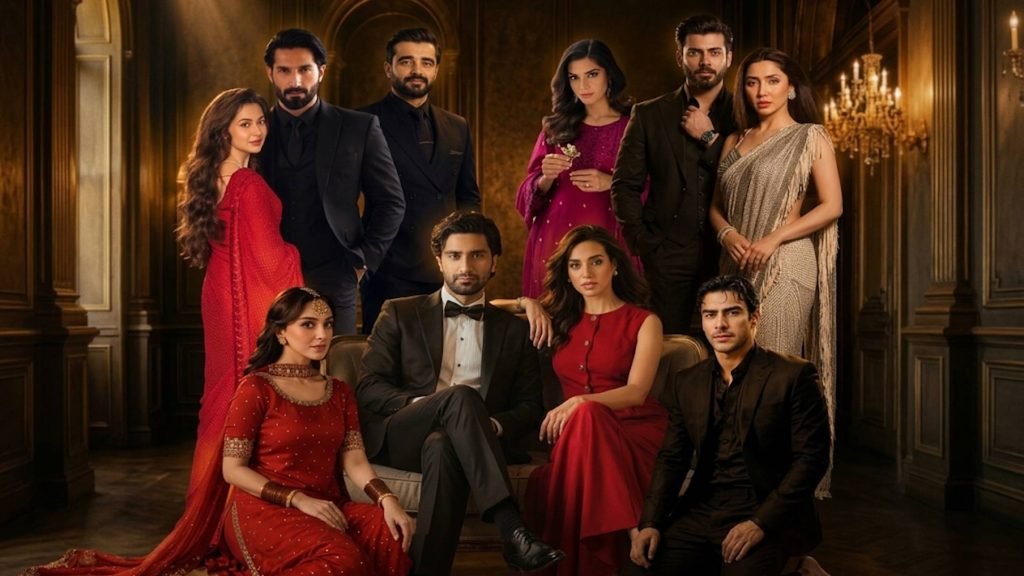
If Jo Bachay Hain Sang Samait Lo travels, the obvious winners are its stars. The bigger win is structural. Netflix will have proof that a Pakistani writer, producer and cast can deliver a global original, and the next commission becomes easier to approve. Writers who never had a shot at TV prime time could pitch straight to a streamer.
If it flops, the risk is the opposite. Streamers tend to read one failure as a verdict on a whole market. And there’s the piracy problem: a lot of Pakistani viewers are used to watching dramas free on YouTube, and Netflix’s local base is small. We dug into why audiences keep choosing free options in Why Piracy is Winning in 2025: Inside the Battle Between Viewers and Streaming Giants. That question hangs over this launch too.
The bottom line
Calling it the first Pakistani Netflix original isn’t marketing fluff. It marks the moment Pakistani TV stopped waiting for someone to buy its shows and started getting paid to build them. On 4 December, we find out whether the world is watching. Either way, the industry is.