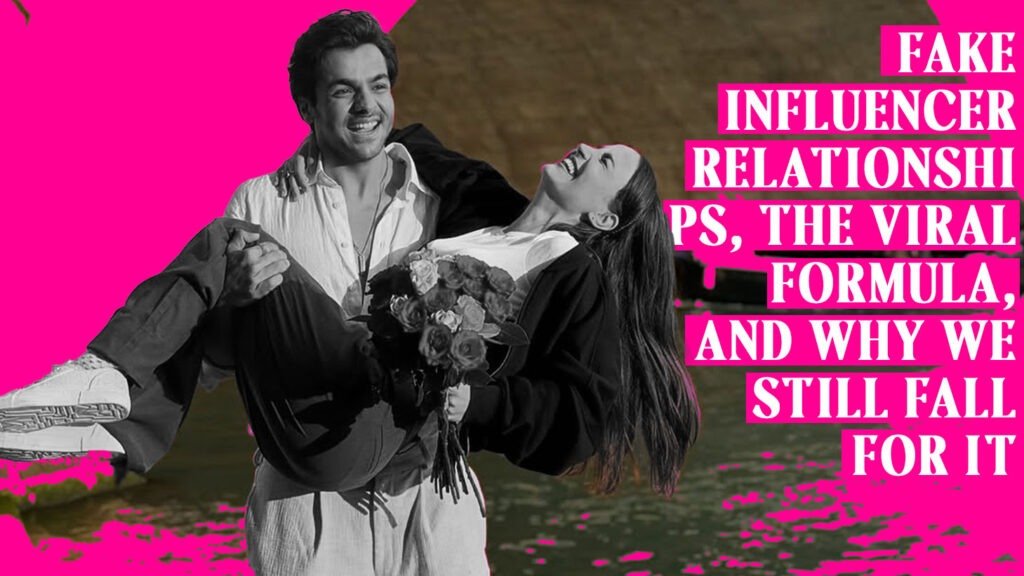
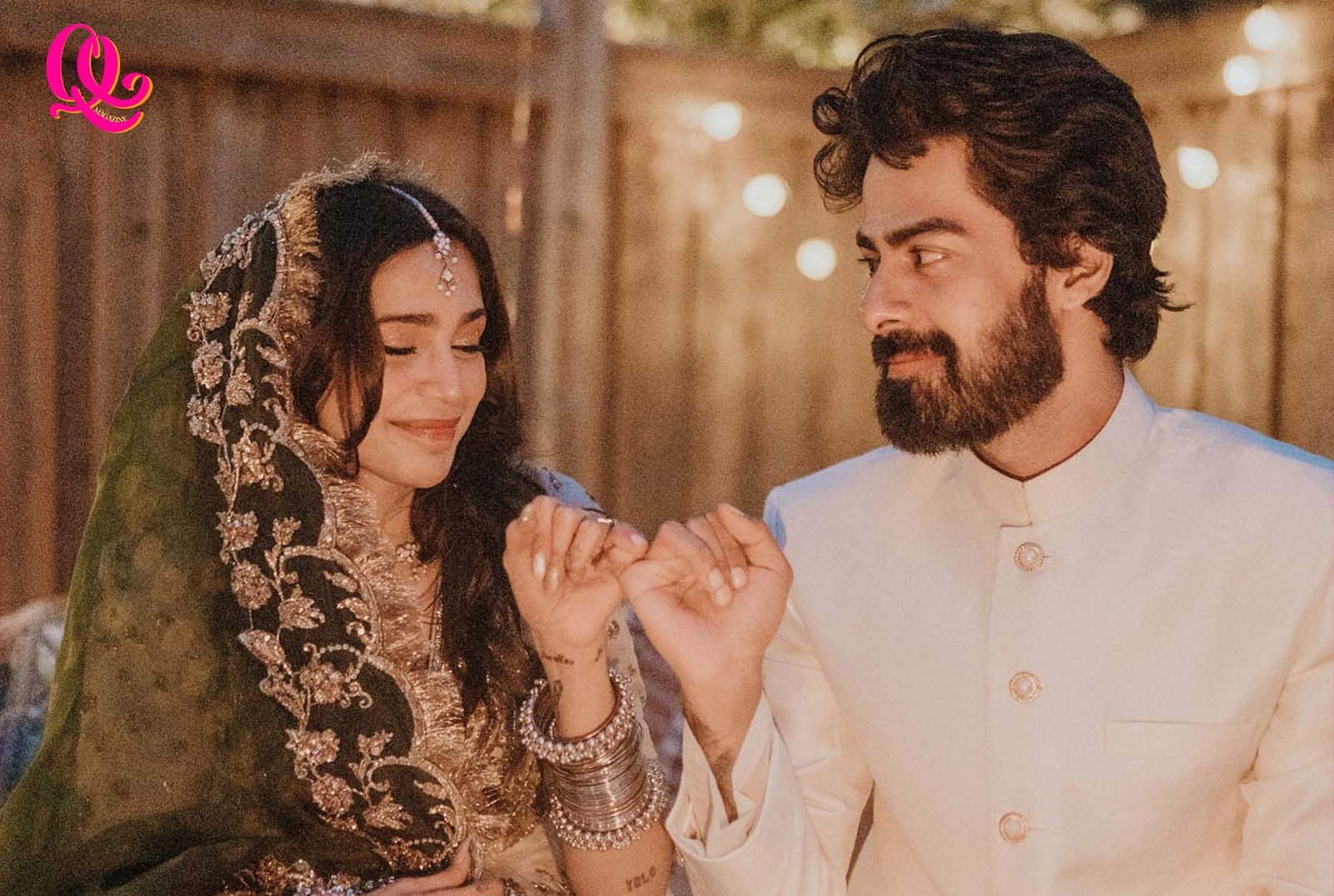
Ashish Chanchlani posted one word. Finally. Just that. A heart emoji. A cozy photo. The internet exploded. People said he’s taken. Some said it’s a teaser. Everyone wanted answers. And then it dropped—a music video. Not a breakup, not a proposal, just content. That wasn’t a love story. That was a rollout plan. And truth be told, it worked way too well. This wasn’t the first time. It won’t be the last. Fake influencer relationships keep happening. Not because they fool us. But because we’re part of the act.
How Showmance Strategy Gets You Every Time
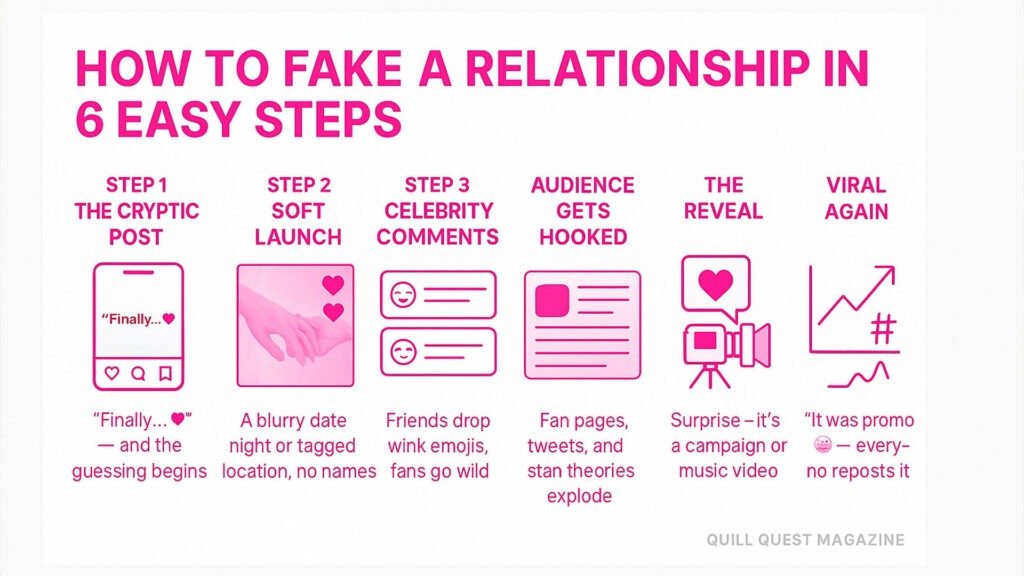
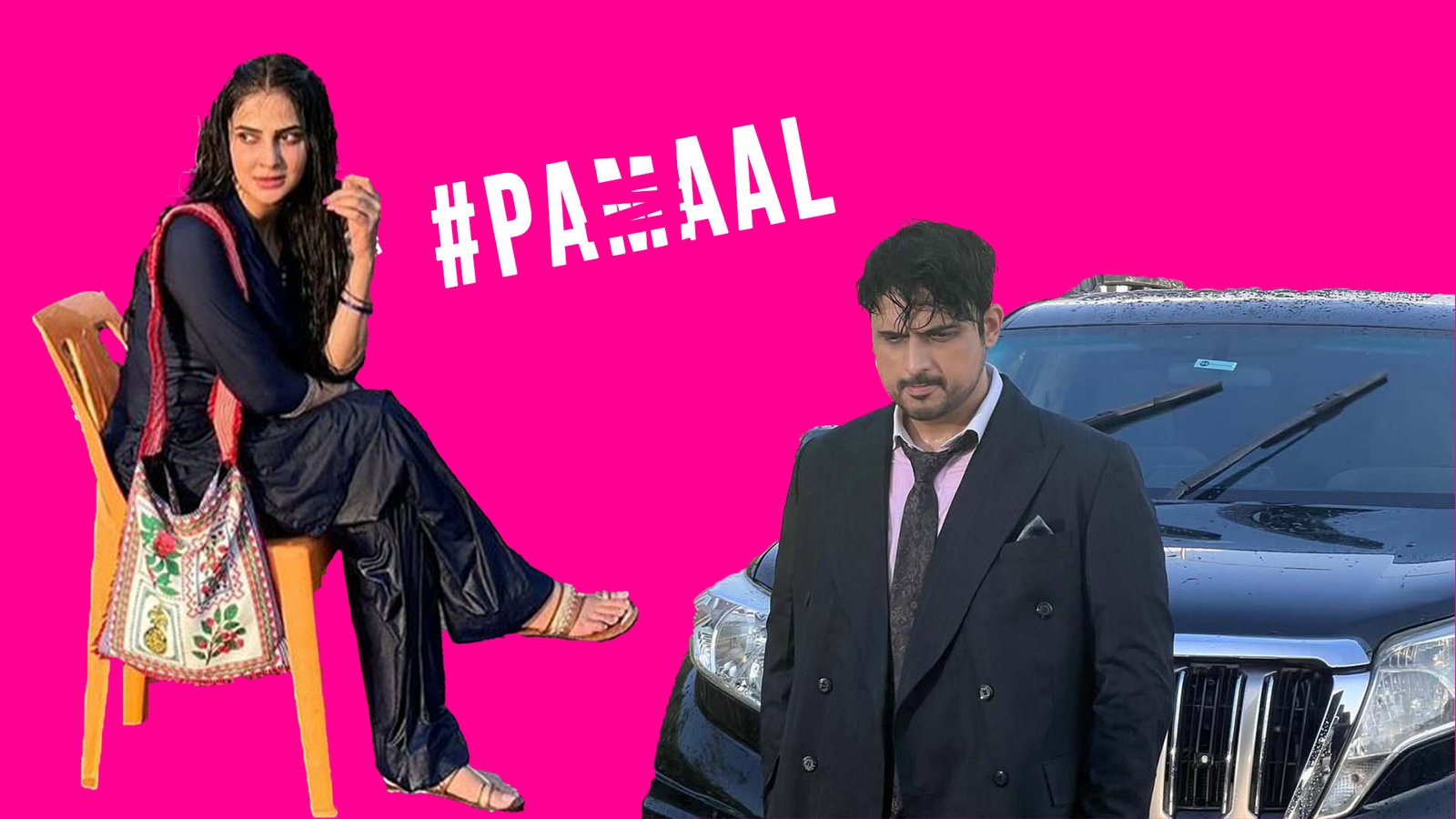
There’s a pattern. It’s clean. It’s proven. Step one, drop a vague post. Step two, add a photo that starts whispers. Step three, let the comments do the talking. Creators stay quiet. Viewers start assuming. Then comes the actual reveal. A product. A campaign. A video. By that time, engagement has doubled. Reach has spiked. Everyone’s watching. Nothing happened organically. It was all timed. That’s how the showmance strategy works. Ashish did it well. So did many before him. Even dating shows follow this beat. Creators don’t fall in love. They plan attention.
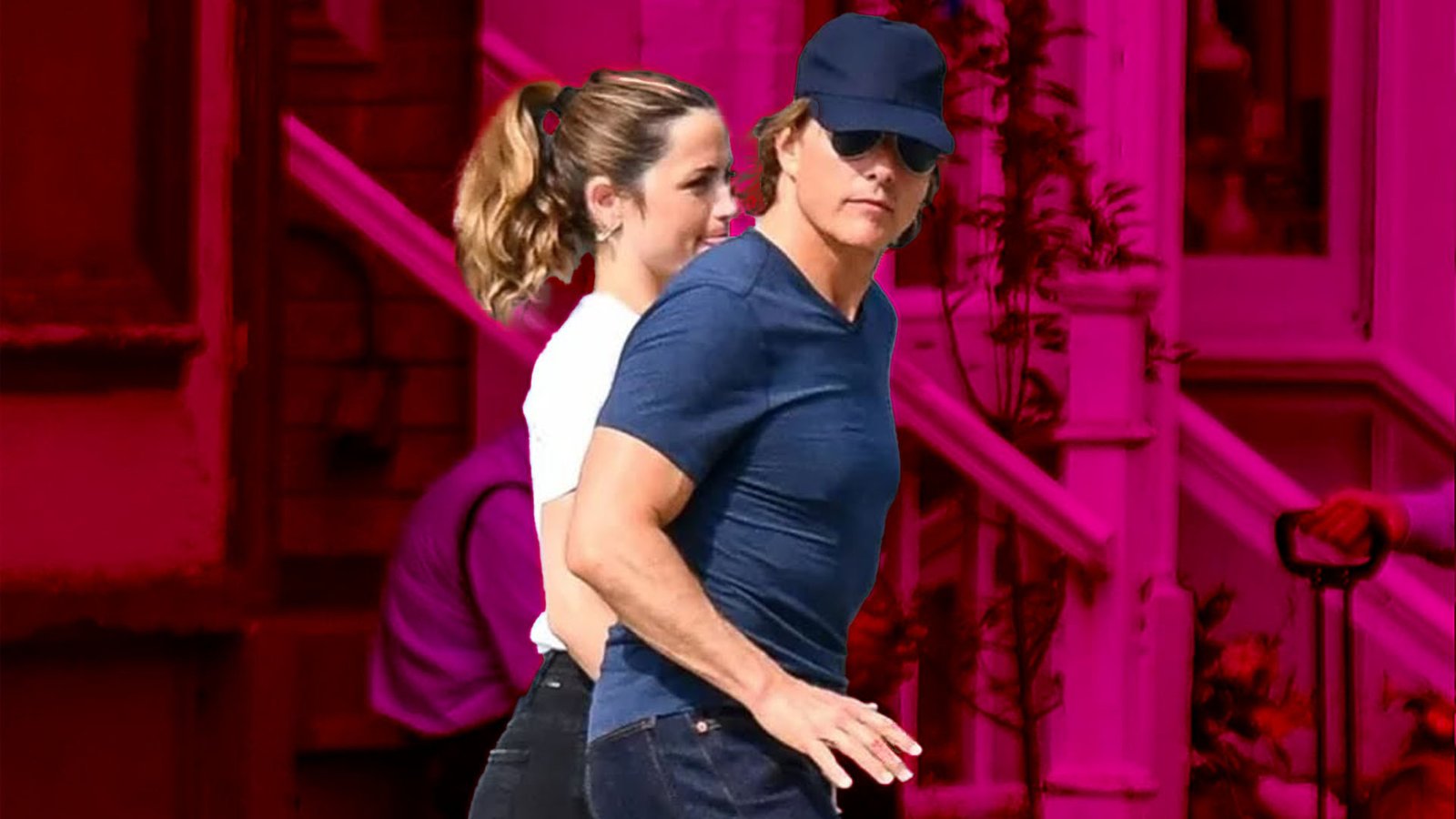
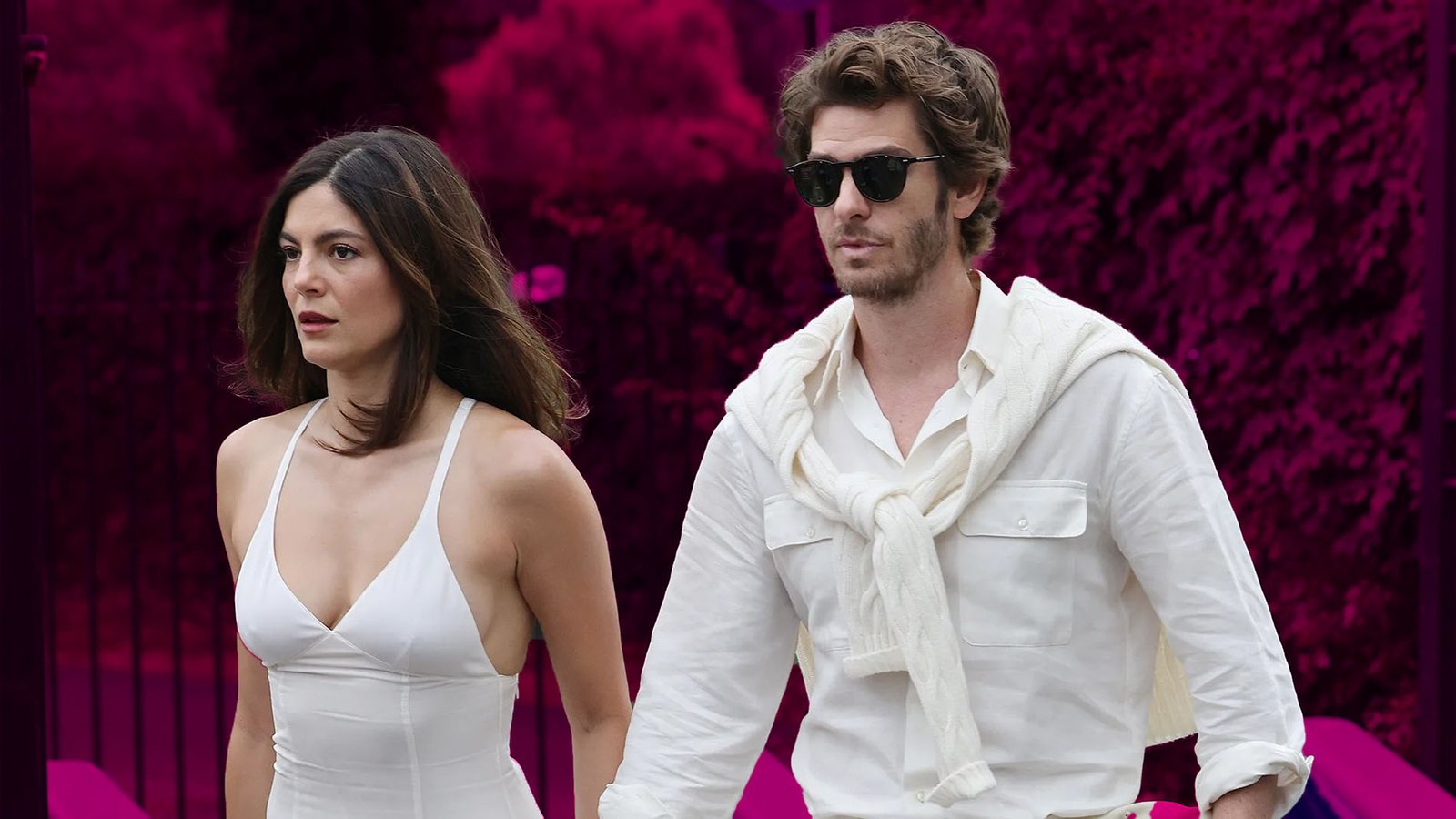
You’ll Also Love this: Garfield & Barbaro: The Romance of Anti-Algorithms
Why Social Media Psychology and Influencers Are the Perfect Match
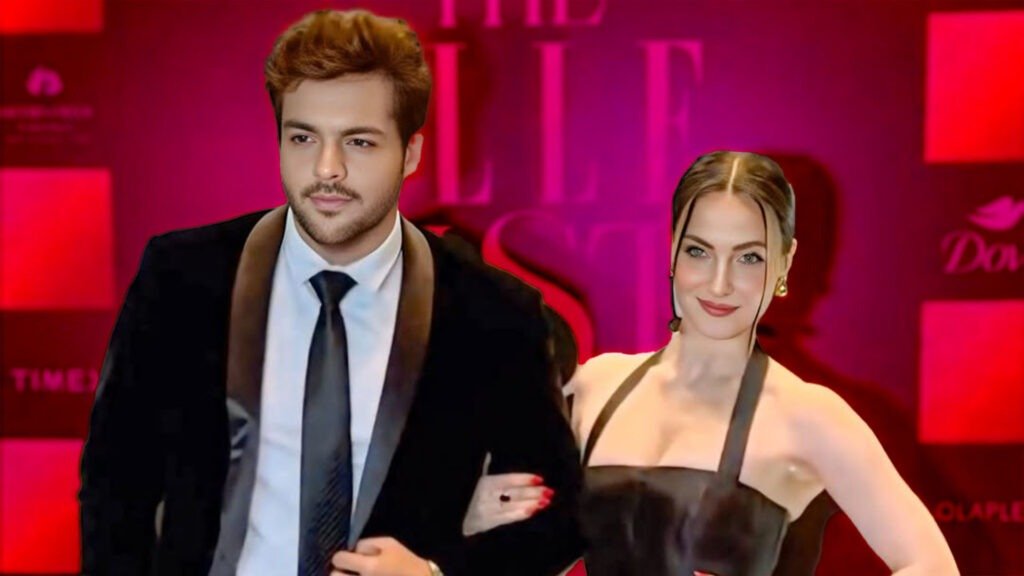
This stuff sticks because people want it to. You follow a creator. You see their daily life. You feel like you know them. That’s a parasocial bond. It’s not fake, but it’s not real either. You watch because it feels familiar. When love shows up, you root for it. Even if it’s staged. Even if you’ve seen the trick before. Your brain likes stories. Your brain craves closure. That’s how creators tap into social media psychology. The connection doesn’t need to be honest. It just needs to feel honest. That’s all it takes.
Fake influencer relationships, Fake Love, Real Money
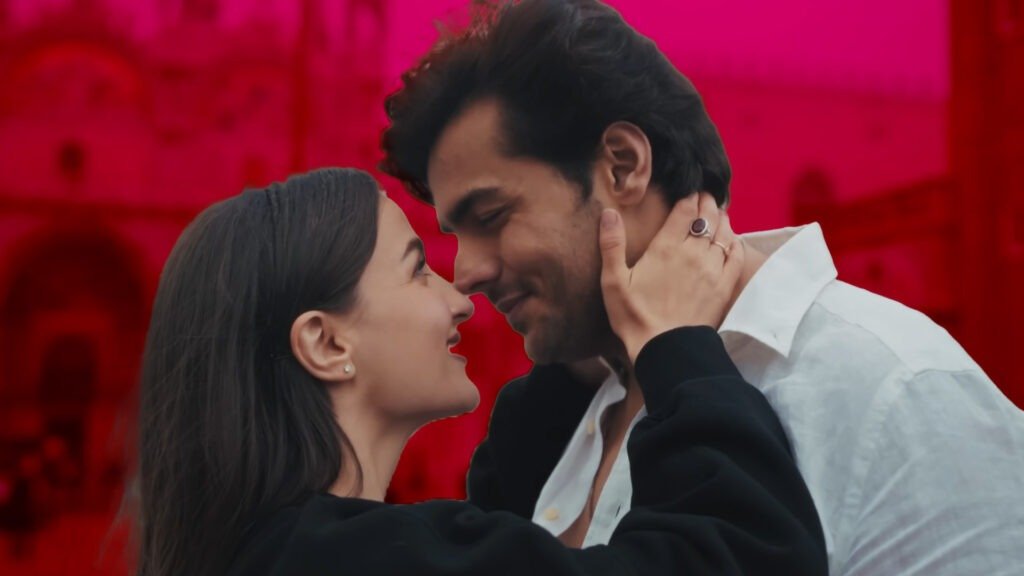
Here’s the part people ignore. These love stories pay off. Not in feelings. In numbers. Views go up. Comments flood in. Followers rise. Algorithms pick it up. Brands get interested. Campaigns hit targets. Songs chart better. It’s a simple formula. Stories sell better than ads. Emotions do more than banners. Even a fake relationship pulls more attention than a million-dollar shoot. And when it’s done well? You might not even realize it was fake. That’s the point. Not to lie. Just to stir enough curiosity so you engage. And that engagement turns into real business.
Why We Fall for It Every Time Without Even Being Fooled

People aren’t dumb. Most viewers get the hint. They know the relationship might not be real. But the drama? The story? They’ll still watch. That’s the part no one talks about. We’re not getting tricked. We’re choosing the story. A soft launch. A cryptic line. A reveal. All of it feels fun to follow. Creators offer a ride. The audience buys the ticket. It doesn’t need to be authentic. It just needs to be good content.
The Big Picture: We’re All In On It Now

No one’s getting played here. These aren’t lies. They’re performances. And just like reality shows or film trailers, they blur the line. But we know that. We’ve seen it before. And we’ll see it again. The next time someone posts a half-face selfie or a “Finally ❤️” caption, we’ll pause. We’ll guess. We’ll click. Not because we believe. But because it’s entertaining. And that’s what makes fake influencer relationships work—every single time.
Fake influencer relationships aren’t going anywhere. Whether it’s to promote a song, boost engagement, or simply hijack the timeline, the showmance strategy still works. It plays with emotions, leverages psychology, and converts drama into data.
Next time you see a “finally ❤️” post… maybe ask yourself: is this a love story, or just another clever move in the influencer chess game?

2 thoughts on “Fake Influencer Relationships, the Viral Formula, and Why We Still Fall for It”