MARWA TAHIR / Pakistan
The failures are real. The problem is that they have become the entire identity. Here is what gets crowded out when a country’s story is told only by its worst moments.
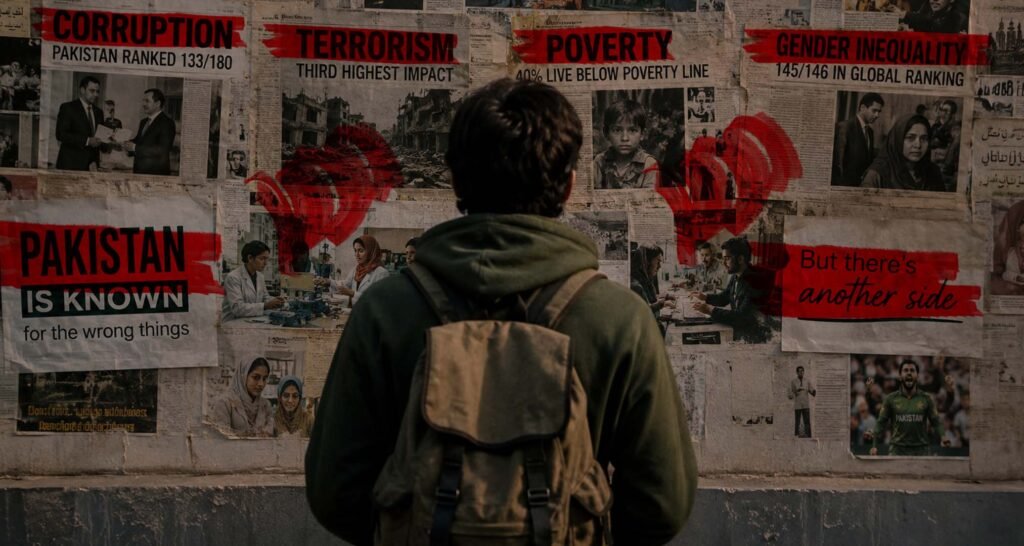
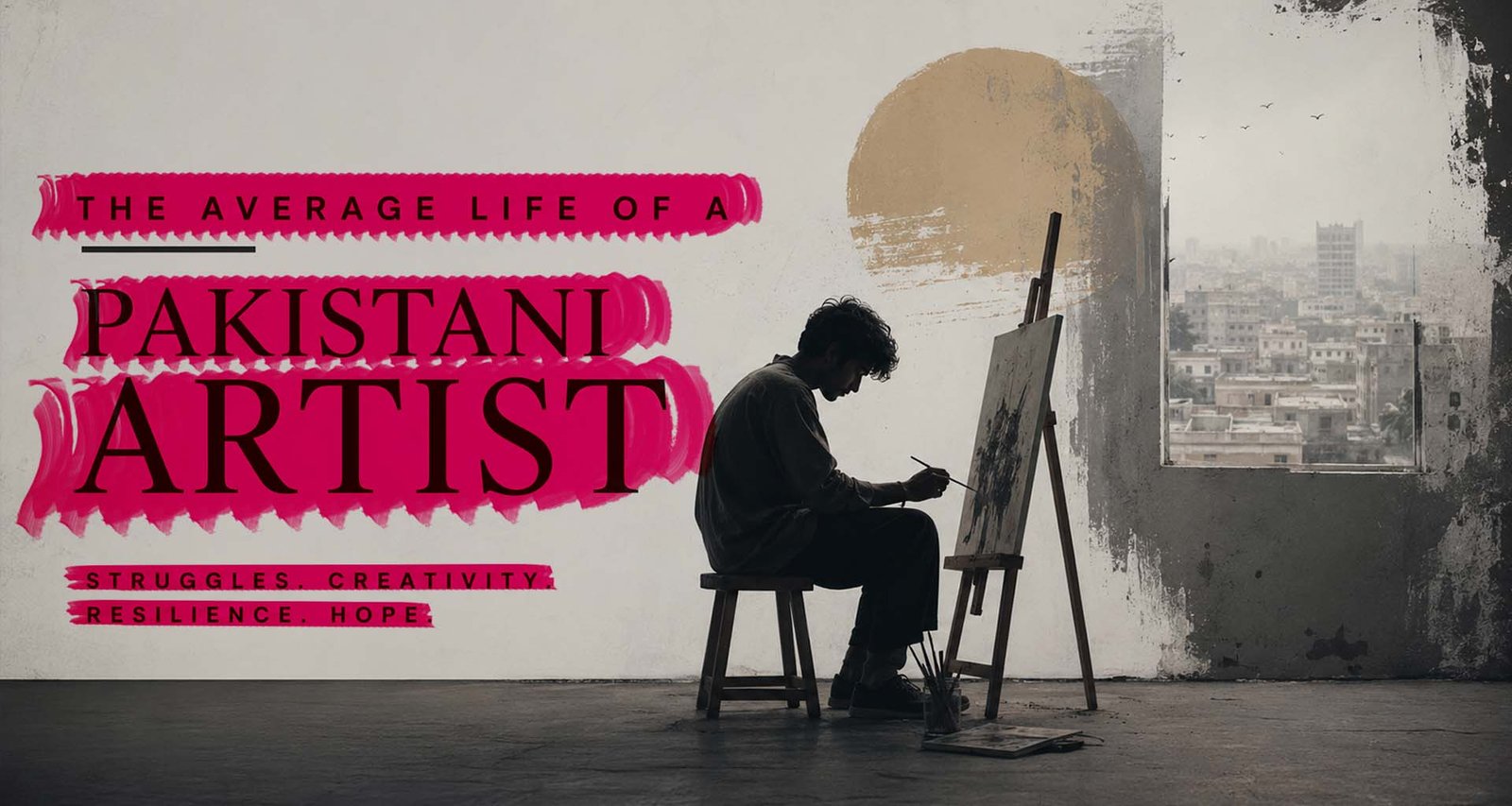
Here is what Pakistan International Reputation is known for. Corruption. Political instability. Terrorism. Poverty. Gender inequality. Governance failure. These are not inventions. Transparency International’s Corruption Perceptions Index 2023 places Pakistan at 133 out of 180 countries, scoring 29 out of 100.
The World Economic Forum’s Global Gender Gap Report 2024 ranks Pakistan 145 out of 146 countries, second to last on earth. The Global Terrorism Index 2025, published by the Institute for Economics and Peace, ranks Pakistan third globally for terrorism impact. The World Bank’s April 2025 overview projects GDP growth at 2.8 percent, insufficient for meaningful poverty reduction, with 40 percent of the population below the poverty line.
Put these numbers down and you have internationally recognized Pakistan. Broken governance. Dangerous streets. Women with almost no structural power. An economy that cannot lift nearly half its own people. This piece does not argue that those numbers are wrong. They are sourced, they are current, and they represent real suffering for real people.
The question this piece asks is different. Pakistan is known for these things. Why is it not also known for the other things? And what does it mean when a country’s failures become its entire identity, crowding out everyone inside it who is building, creating, researching, writing, and winning?
When Failure Becomes Identity
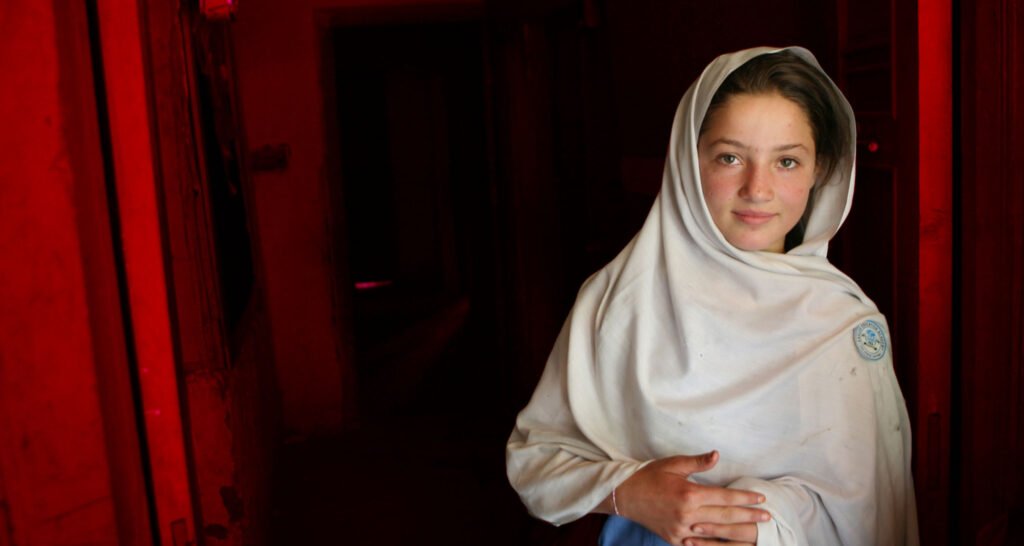
The argument of this piece is not that Pakistan’s problems are overstated. It is that they have become so dominant in international coverage that they function as the country’s entire identity, leaving no room in the global picture for the people who are doing serious, documented, world-class work inside the same borders.
Pakistan is known internationally through a recurring set of headlines. The military. The militants. The floods. The debt. The crackdown. Each of these stories is real and each deserves coverage. The problem is not the reporting. The problem is the filter. When every story about a country passes through the same lens, the lens stops being journalism and starts being a frame. The frame shapes what the audience expects. The audience’s expectations shape what gets commissioned. And what gets commissioned shapes what the world believes Pakistan is.
Human Rights Watch’s World Report 2025 documents restrictions on press freedom, enforced disappearances, and violence against religious minorities in Pakistan. This documentation matters. It is exactly the kind of accountability reporting that keeps governments answerable. But the same publication does not report on Anas Niaz fitting a child in Gaza with a prosthetic arm using a mobile phone and an AI system built in Karachi. That story is not in the frame.
The frame is not a conspiracy. It is a habit. Habits, once established, are very hard to break from the outside. This piece is not trying to break the habit. It is trying to put something else on the table alongside it.
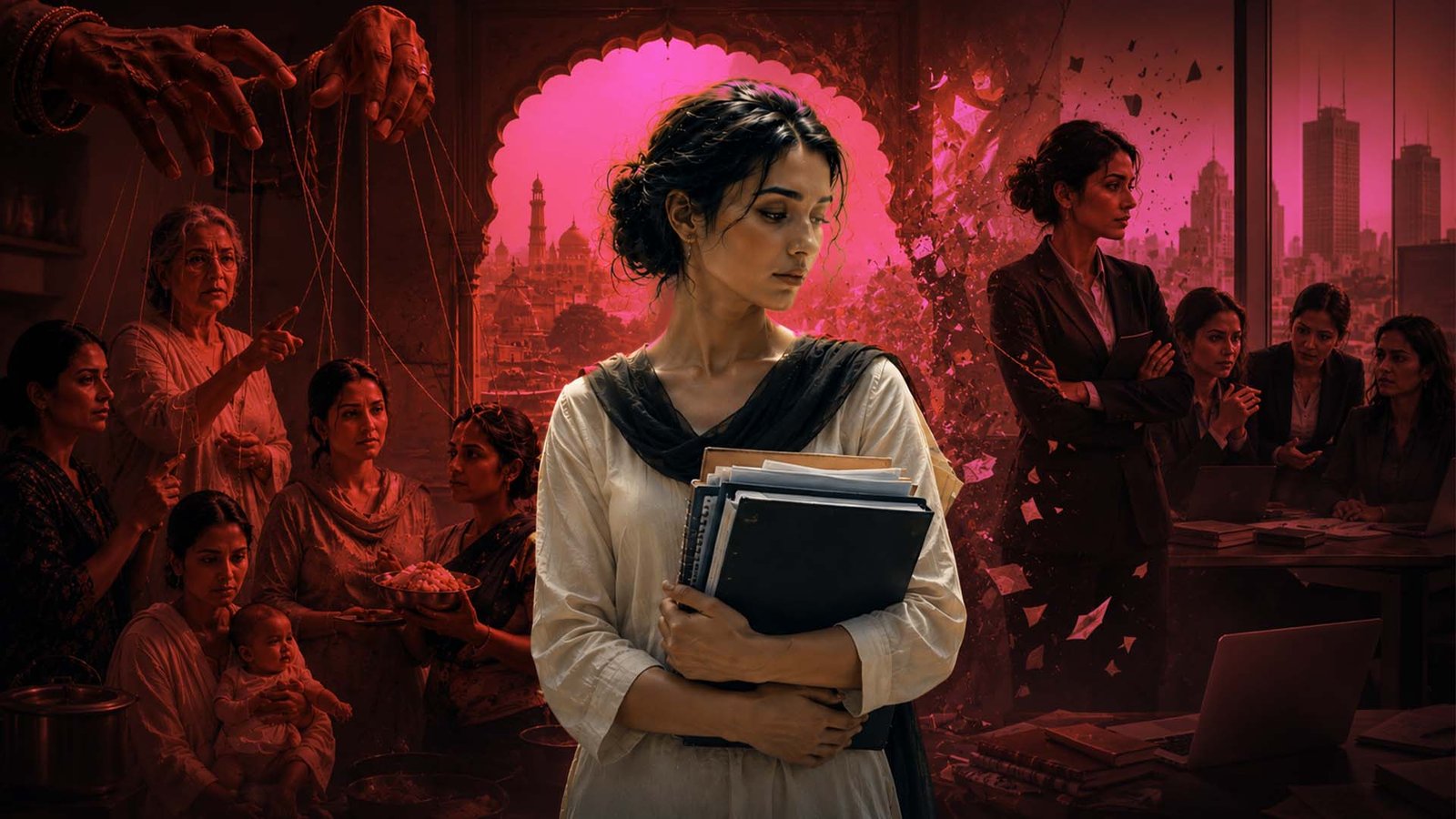
Gender Stereotyping Delusion: The Myth of the “Good Woman”
The Engineer Building Arms for Children the World Forgot

Anas Niaz
Founder, Bioniks | Karachi
Founder of Bioniks, a Karachi-based company building AI-powered, 3D-printed prosthetic limbs for children at roughly a tenth of the Western market price. First Pakistani organisation to win the Zero Project Award (2025), selected from 522 nominations from 90 countries at a UN ceremony in Vienna. Over 1,000 custom prosthetic arms delivered. Operations extended to Gaza in 2025.
Bioniks is not an inspiring startup story. It is a precision engineering operation solving a problem that wealthy countries have not prioritized. The AI-based mobile scanning system Anas Niaz built eliminates the need for expensive clinical hardware. A child in Karachi, or in Gaza, can be scanned with a phone and fitted with a custom arm that functions. The cost is accessible. The technology is original. The scale is real.
The Zero Project Award, conferred at a United Nations ceremony in Vienna, selected Bioniks from 522 global nominations across 90 countries. Bioniks was the first Pakistani organisation to win it. That fact belongs in the international picture of Pakistan. It currently does not appear there.
In June 2025, Arab News reported Bioniks scanning and fitting children in Gaza with custom prosthetic arms, working alongside local health partners. The same month, MIT Solve confirmed Bioniks as a 2024 Solver Team, recording over 1,000 prosthetic arms delivered. A Karachi company built the technology. A Karachi founder took it to the children of a conflict zone. The international narrative about Pakistan had no frame for that sentence.
The founder of Bioniks took technology to children in a conflict zone. The sentence does not fit the international picture of Pakistan. It fits Pakistan.
Generational Trauma: Survived, Never Healed.
The Scientist at the Frontier of Global Research
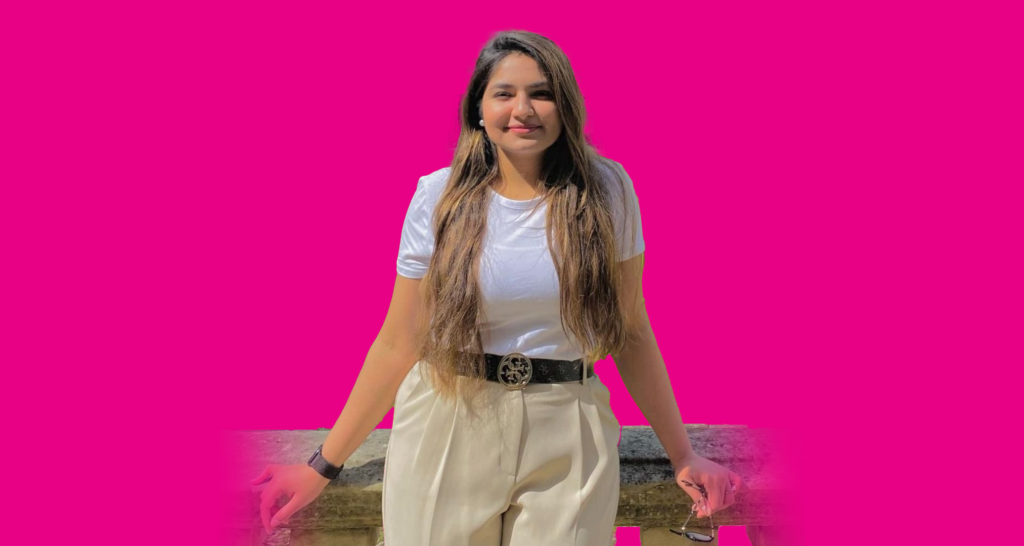
Dr. Maheera Abdul Ghani
Materials Scientist | Cambridge | WinSci Pakistan
Cambridge PhD in materials science. Postdoctoral research on ultra-thin semiconductors and MXene nanomaterials at the Yusuf Hamied Department of Chemistry. Founder of WinSci Pakistan, a mentoring platform for women in STEM with over 5,000 members. Winner of the Nature Research Award for Inspiring Women in Science 2025. Named to the Forbes Asia 30 Under 30 list for 2026 in Healthcare and Science.
Nature magazine confirmed Dr. Maheera Abdul Ghani as the winner of its 2025 Inspiring Women in Science Award for WinSci Pakistan. Forbes Asia named her to the 30 Under 30 list for 2026. Cambridge University’s institutional profile confirms her doctoral research on MXene nanomaterials and her current postdoctoral position at one of the world’s leading chemistry departments.
She represents the Pakistani scientific mind operating at the frontier of global research. Not despite where she is from, but shaped by it. WinSci Pakistan now reaches over 5,000 members. It is a mentoring platform for women entering STEM fields, built by a Pakistani woman working at the edge of materials science. Two things are true at once: Pakistan ranks 145 out of 146 countries for gender equality, and a Pakistani woman is running a global science mentoring network from Cambridge while conducting postdoctoral research that matters to the future of semiconductors. Both are Pakistan.
The Global Gender Gap Report number belongs in any honest conversation about Pakistan. So does Dr. Maheera Abdul Ghani. The international frame currently holds one of these. It has room for both.
Gender and Decision Making: Raised to Lead. Raised to Ask.
The Writer Who Tells Pakistan’s Story on Its Own Terms
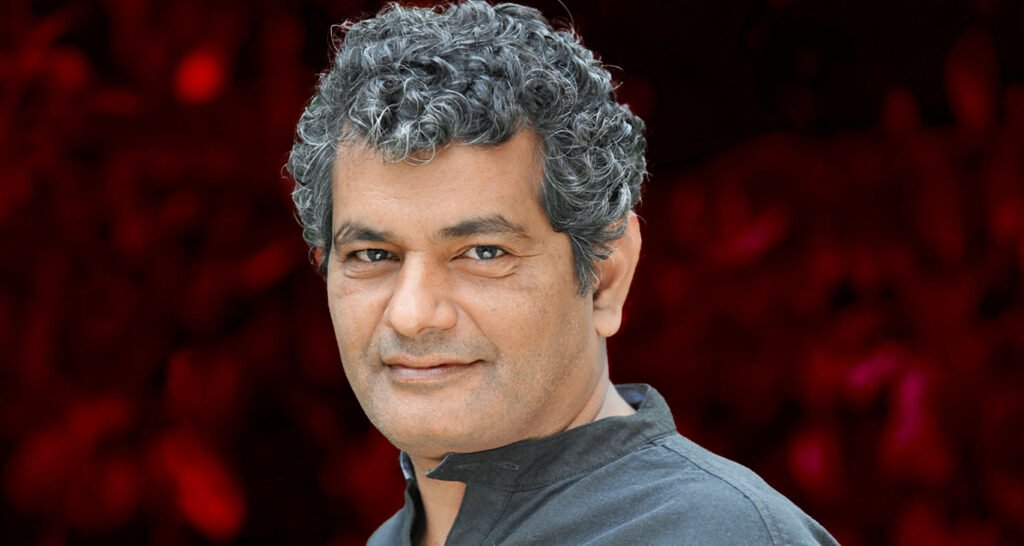
Mohammed Hanif
Novelist | Journalist | BBC
Author of A Case of Exploding Mangoes (2008), shortlisted for the Guardian First Book Award and winner of the Commonwealth Book Prize (2009). Author of Our Lady of Alice Bhatti (2011), shortlisted for the DSC Prize for South Asian Literature. BBC journalist and commentator. One of the most internationally acclaimed Pakistani writers in the English language.
Mohammed Hanif’s first novel, A Case of Exploding Mangoes, is a satire of Pakistan’s military dictatorship. It is politically fearless, formally inventive, and internationally celebrated. The Commonwealth Foundation awarded it the Commonwealth Book Prize in 2009. The Guardian shortlisted it for its First Book Award in 2008. His second novel, Our Lady of Alice Bhatti, received the DSC Prize shortlisting for South Asian Literature in 2011.
Hanif is useful here not simply as a literary figure. He is proof of a specific thing: Pakistan produces writers who engage critically with their own country, who do not flinch from its violence or its absurdity, and who are celebrated for it by international institutions. His work is not a tourism brochure. It is a sharp, serious examination of Pakistan’s political life by someone who lives inside it. That examination has been recognized and rewarded by some of the most credible literary institutions in the world.
The frame that shows Pakistan only through its governance failures has no room for the fact that its writers are holding those same failures up to the light with intelligence and wit and being applauded for it internationally. Both the failure and the response to the failure are Pakistan. Only one of them is in the frame.
Transactional Marriage in Pakistan: The Daughters Who Pay
Why Resilience Does Not Make the News
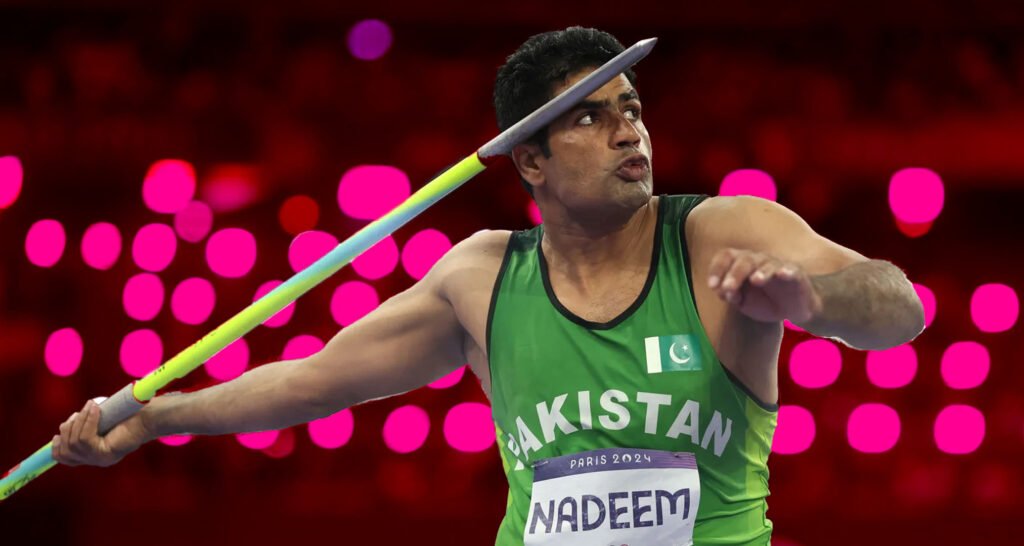
Pakistan is known internationally for its failures. The data behind that reputation is real. But the country also contains a precision engineering startup fitting children in Gaza with custom prosthetic arms. A materials scientist at Cambridge building a global STEM mentoring network. A novelist whose satirical examinations of Pakistani military power have won international prizes. An Olympic gold medalist whose 92.97-metre javelin throw broke a world record. None of these four people are exceptions that disprove the problems. They are evidence that Pakistan contains more than the problems, and that the international frame has not made room for the more.
The reason resilience does not make the news is structural, not malicious. News follows established beats. Established beats follow established frames. Editors commission what readers expect. Readers expect what they have already been told. The result is a feedback loop that makes certain stories about Pakistan almost invisible to international audiences, not because they are unimportant but because they do not fit the shape of the story the frame has already decided to tell.
This is not unique to Pakistan. Every country with a dominant negative international reputation faces the same compression. The stories that escape the frame tend to share one quality: they are so extreme, so exceptional, so impossible to ignore, that the frame cannot hold them. Arshad Nadeem’s gold medal was so complete, the world record so undeniable, that international media could not look away. And then, within weeks, the frame snapped back.
What Does It Cost a Country to Be Known Only for Its Worst Moments?
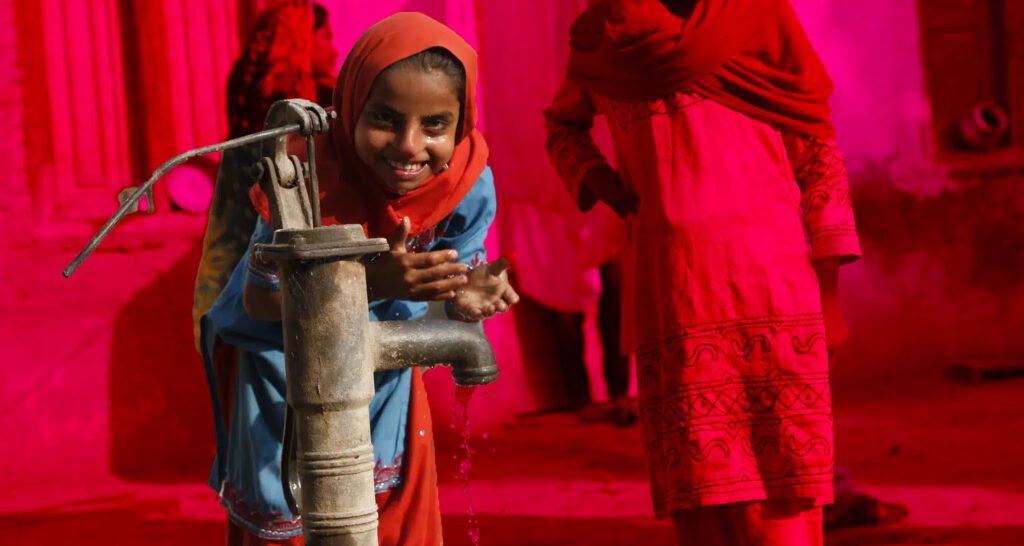
The cost is not abstract. When Pakistan’s international identity is built exclusively from its failures, it affects how foreign governments negotiate with it, how international investors assess it, how diaspora communities describe it, and how young Pakistanis inside the country understand their own place in the world.
The World Bank’s April 2025 overview projects GDP growth at 2.8 percent, below the level needed for meaningful poverty reduction. Forty percent of the population lives below the poverty line. These numbers describe a real economic crisis. They do not describe the Karachi entrepreneur who won a UN award, or the Cambridge researcher building new materials, or the writer whose novels are on international prize lists. The economic crisis and human achievement exist in the same country at the same time. Treating one as the full picture produces a version of Pakistan that is not accurate enough to be useful.
Inaccurate pictures have real consequences. A country whose only international story is dysfunction will struggle to attract the investment, the partnerships, and the talent pipelines that could address the dysfunction. The narrative and the reality are not separate. The narrative shapes reality over time. And a narrative built entirely from failures has no mechanism for showing how those failures might be addressed by the people already working on them inside the country.
Why Social Media Is Making You Feel Worse Without You Noticing
On the 9th of August 2024, Did the World Finally See Pakistan?
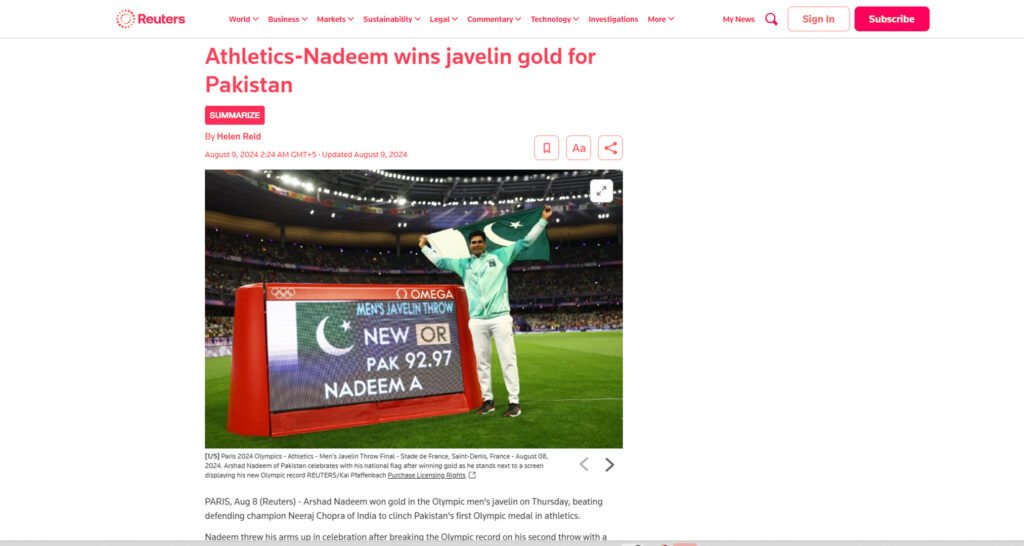
On 8 August 2024, at the Paris Olympics, Arshad Nadeem threw a javelin 92.97 metres. It was an Olympic record. It was Pakistan’s first individual Olympic gold medal in 40 years. Reuters covered the win. The BBC covered the win. Dawn’s frontline report called it historic. Olympics.com published a full profile. For a brief, complete moment, the international frame let something else through.
Reuters noted something specific in its reporting: Nadeem came from a construction-worker background, trained with limited resources, and reached the top of his sport through a combination of ability and persistence that the Pakistani infrastructure around him was never designed to support. He did not win because of the system. He won despite it.
That detail matters. It means two things are true simultaneously. Pakistan’s systems fail its people regularly and comprehensively. And inside those failing systems, Arshad Nadeem threw a javelin 92.97 metres and won gold for his country at the Olympics. Both are Pakistan. The Reuters story understood this. Within weeks, the familiar frame had returned. Pakistan was back to being known for familiar things.
Pakistan produces world-class achievement. The world briefly notices. Then it forgets, because the frame does not hold the achievement. It only holds the failure. And a frame that can only hold one thing is not a frame. It is a tunnel.
The Story That Has Not Been Written Yet
Pakistan is known for its failures. The failures are real. The people living through them are real. The reporting that covers them is doing necessary work, and this piece is not arguing that it should stop.
I am writing this from inside the frame. I live in the country whose story gets told without me in it.
The argument is narrower and more specific. A country whose entire international identity is built from its failures is being described with less than full accuracy. Not because the failures are invented, but because the frame has no room for anything else. And a frame with no room for anything else will never be able to explain how the failures might be addressed, because it cannot see the people who are already addressing them.
Anas Niaz is building prosthetic arms in Karachi and fitting them on children in Gaza. Dr. Maheera Abdul Ghani is conducting postdoctoral research at Cambridge and building a STEM mentoring network that now reaches over 5,000 women. Mohammed Hanif is writing novels that examine Pakistani military power with more intelligence and courage than most international coverage manages. Arshad Nadeem threw a javelin 92.97 metres and broke a world record at the Paris Olympics.
None of these facts make the corruption go away. None of them close the gender gap. None of them end the terrorism or fix the economy. Pakistan’s problems are structural and serious and they will not be resolved by good news stories.
But they will also not be resolved by a frame that has decided, in advance, what Pakistan is allowed to be. The people working on those problems from the inside deserve to be seen as part of the picture. They are Pakistan too. And Pakistan is known for the wrong things.

Finally someone talking about Pakistan with nuance instead of extremes… You didn’t ignore the problems, you just reminded us we’re more than them, Loved this
Exceptionally written and an extremely insightful blog! Instead of concentrating only on highlighting on the negative narratives, it is imperative to showcase Pakistan’s good succeeding and contributions. An outstanding article that provides readers a new and truthful view on Pakistan’s image internationally.