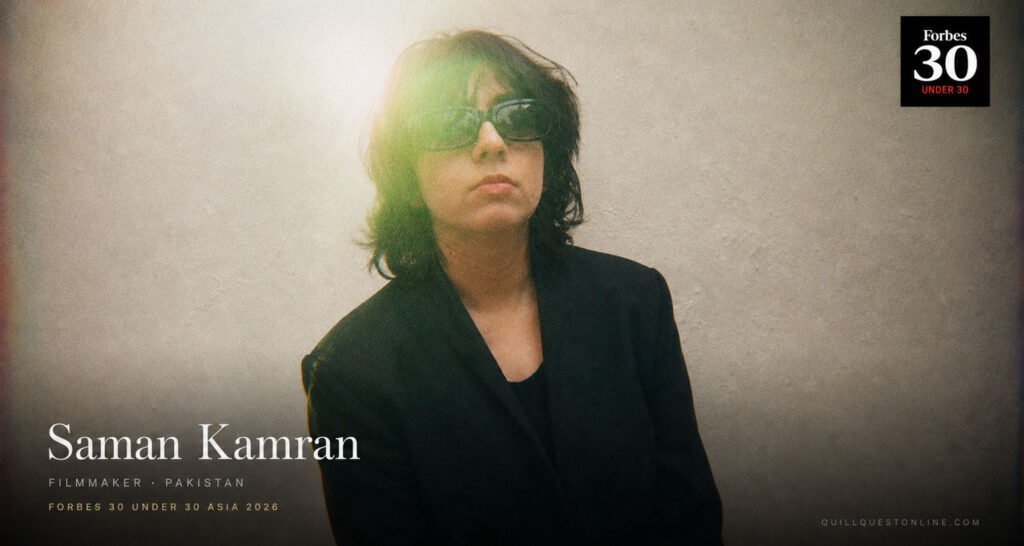
A Pakistani filmmaker who sits at the border of the surreal and the intimate just went global.
Saman Kamran is the Pakistani filmmaker on Forbes 30 Under 30 Asia 2026. Forbes recognized Kamran in the Entertainment and Sports category on May 29, 2026. Her short film The Bed She Made was the only Pakistani project selected for the Busan International Short Film Festival. The film examined climate change and fertility challenges together. That combination, environmental crisis meeting private human loss, is exactly the kind of intersection Pakistani cinema rarely touches on screen.
Quill Quest Magazine spoke directly with Kamran after the Forbes announcement. What she said deserves to be read carefully.
This Is Not Just a Milestone for Her
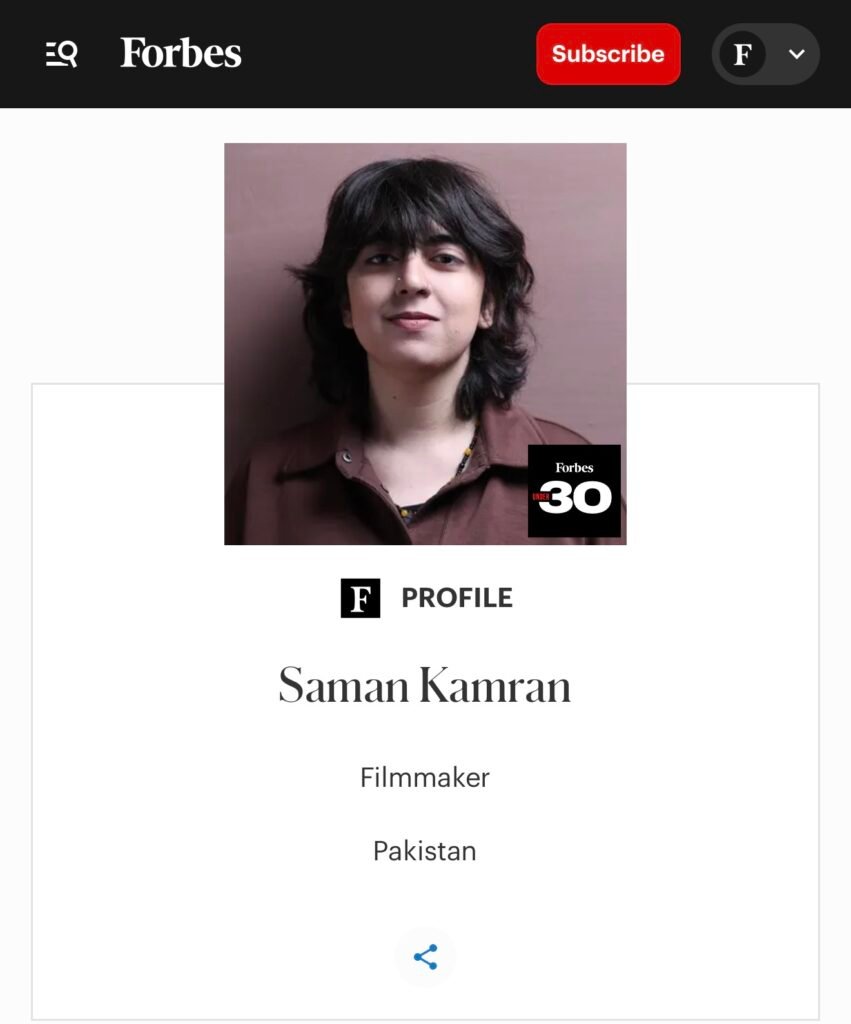
Kamran told Quill Quest Magazine: “Being included in Forbes 30 Under 30 Asia 2026 is both humbling and encouraging.”
Then she said something more specific. She framed the recognition as less personal than it appears. In her words, it feels “less like a personal milestone and more like validation that unconventional voices and stories can travel beyond borders.”
That distinction matters. It tells you who Saman Kamran is as a filmmaker. She is not chasing credentials. She is testing a thesis. The thesis is this: Pakistani stories made in experimental forms can compete on international stages without being softened for foreign audiences.
The Bed She Made passed that test at Busan.
What Kind of Cinema Does She Actually Make?
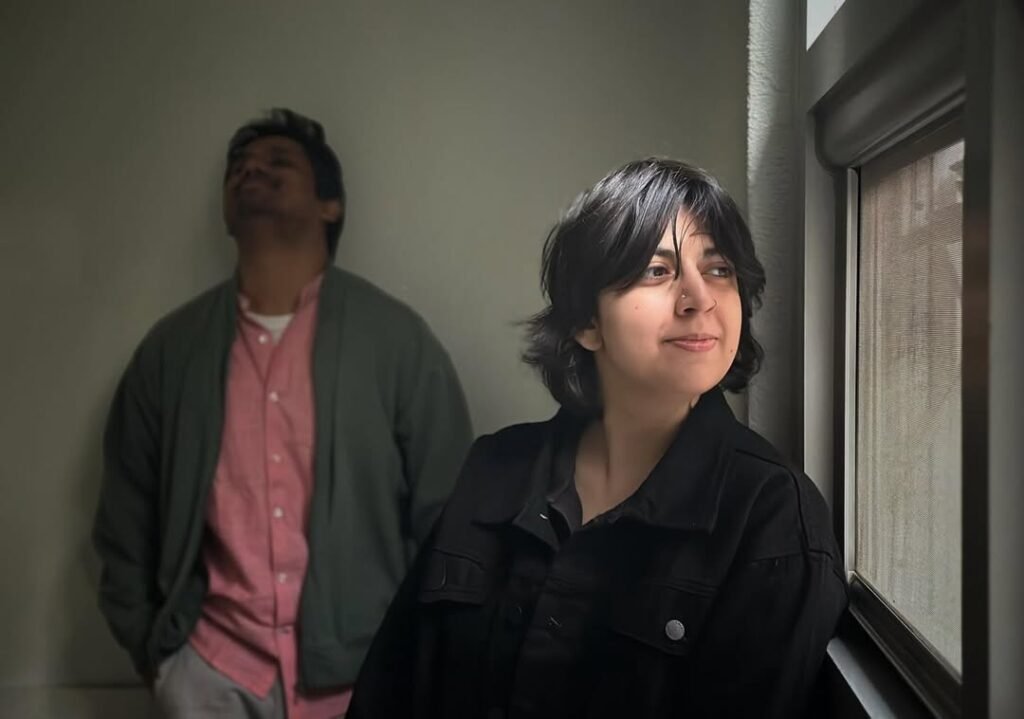
Saman Kamran is interested in work that “exists between the surreal and the intimate.” Her phrase, not ours.
That phrase is doing a lot of work. It rules out safe drama. It rules out social realism dressed as message film. It points toward something more uncomfortable and more personal. She told Quill Quest Magazine she wants to create “cinema that challenges traditional storytelling while remaining emotionally accessible.”
The word to hold onto is “accessible.” Experimental cinema in Pakistan often struggles to find audiences because it leaves emotion at the door. Kamran’s stated goal is to do both: formal boldness and emotional honesty at the same time. The Bed She Made attempted that. Its selection at Busan suggests it worked.
Before this, Kamran worked as an assistant director on Umro Ayyar: A New Beginning. That industry credit gives her some mainstream roots. But her creative ambition clearly points somewhere else.
The Question Pakistani Cinema Hasn’t Asked Yet
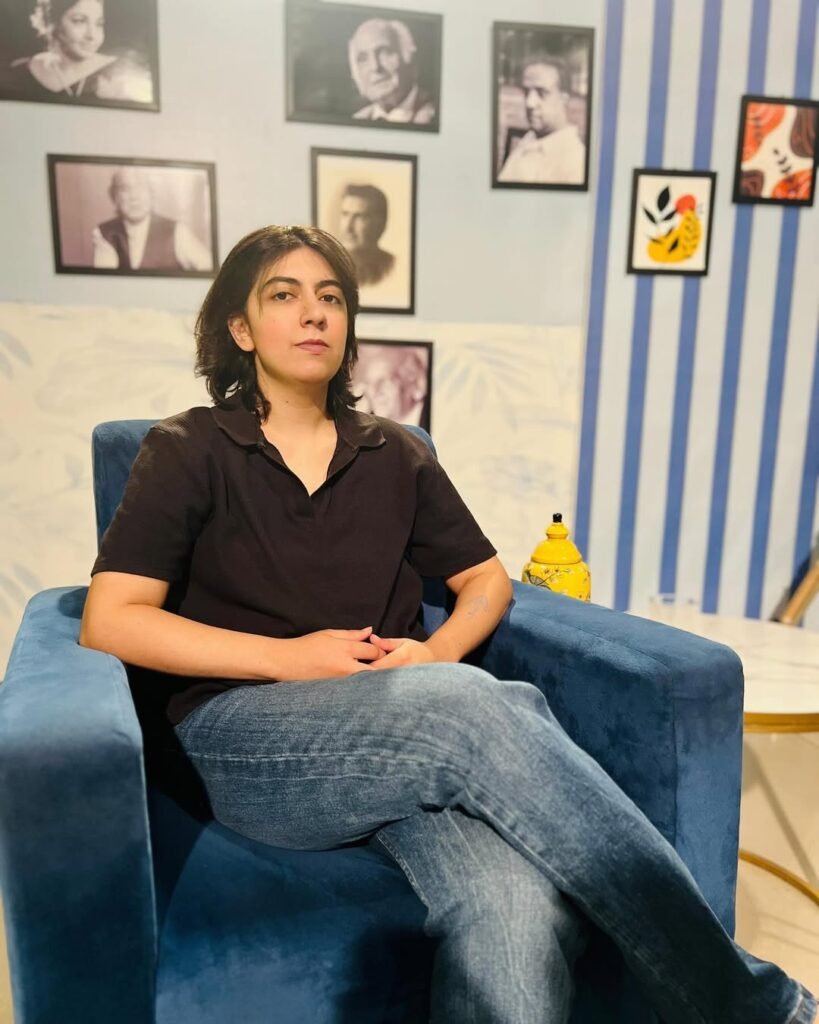
Quill Quest Magazine put a direct question to Kamran: What reality in Pakistani culture is our cinema finally ready to confront?
Her answer was precise. She said Pakistani cinema is finally ready to examine “the gap between who we are in public and who we are in private.”
She did not stay vague. She named the tensions she wants to explore on screen: “tradition and modernity, faith and desire, conformity and individuality.” And she was careful about what she is not trying to do. She is not making films that provide answers. She wants to “create space for audiences to recognize parts of themselves that are often left unspoken.”
That is a specific creative mission. It is not inspiration-speak. It is a position.
Pakistani drama explores domestic conflict. Pakistani cinema chases spectacle. What Kamran is describing is neither. She is after the thing that sits underneath both: the quiet, contradictory version of Pakistani identity that most of us live daily and almost none of our screens acknowledge.
That gap between public performance and private reality is real. It runs through class, gender, religion, and family. Kamran wants to film the gap itself.
The Bed She Made picked climate grief and fertility. Her next project will pick something else in the same territory. Wherever she points the camera, she is filming something that most Pakistani filmmakers still look away from.
Forbes noticed. Busan noticed. The question is whether Pakistani cinema is ready to follow.



Wish you happiness