MARWA TAHIR / Pakistan
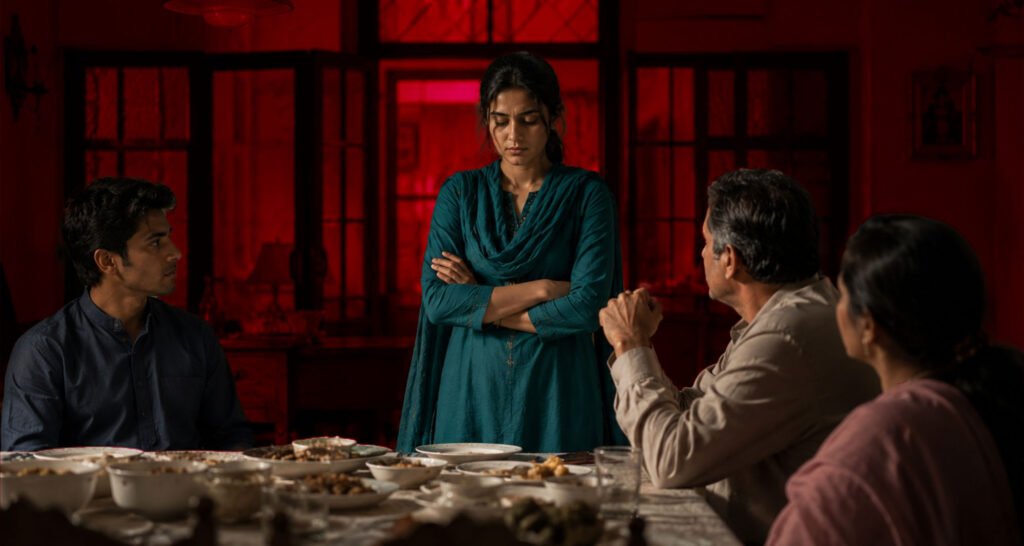
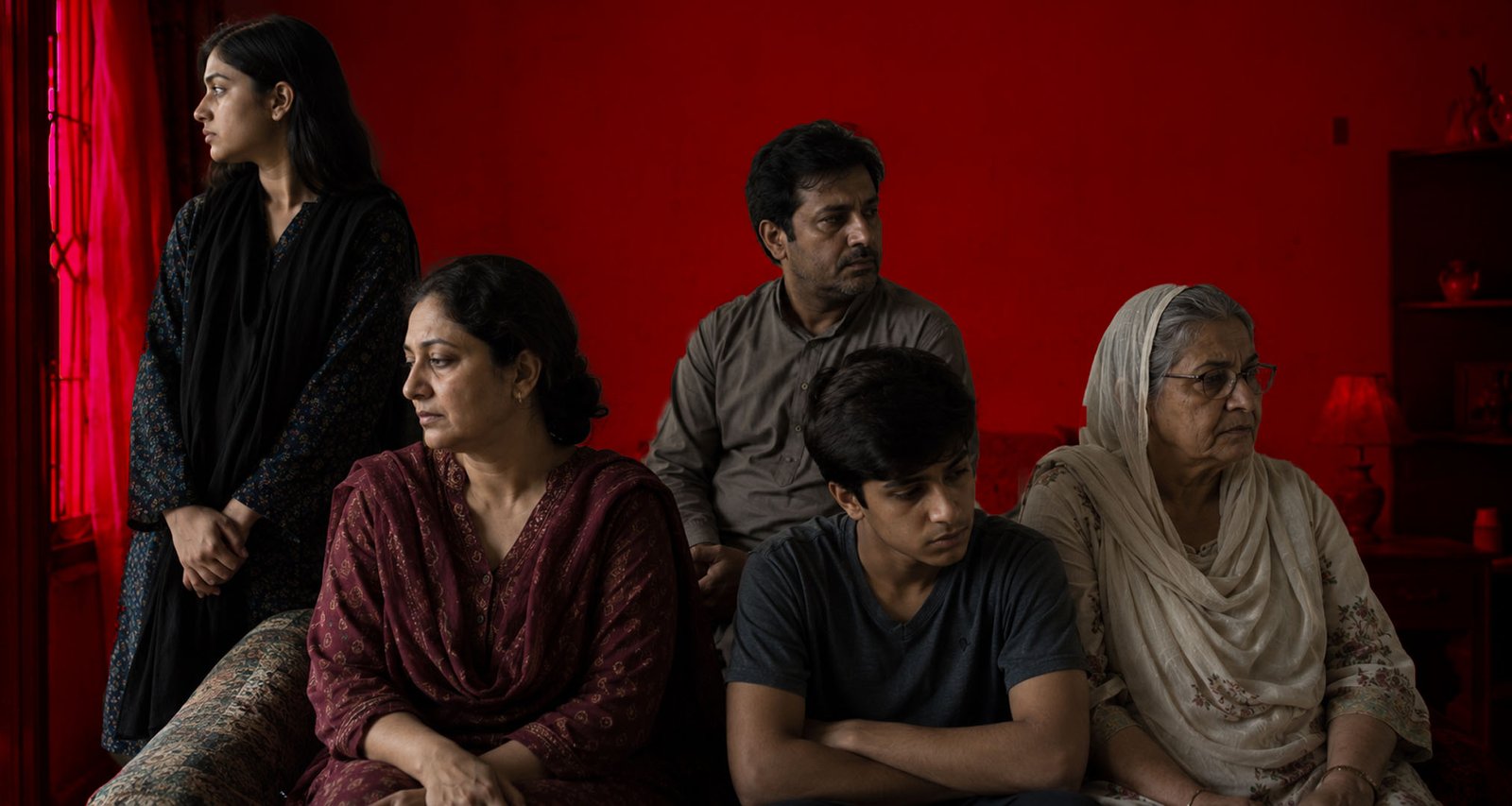
Gender and decision making inside South Asian households is not a loud system. It is a quiet one. It runs through dinner tables, school admissions, career conversations, and curfews that apply to one sibling and not the other.
The World Economic Forum’s Global Gender Gap Report 2024 carries one number. At the current rate of progress, gender equality is 123 years away. That number describes a global timeline. It does not describe a single household. Inside one household, the gap is not 123 years wide. It is one dinner table. One school admission. One career conversation where a son is asked what he wants. A daughter is asked what is suitable. Gender and decision making in South Asian families does not operate through laws. It operates through repetition. The repetition, in time, feels like nature.
This piece is not about the loud version of gender inequality. That version has been written about endlessly. It is about the quiet version. The unwritten rules that teach one sibling to take initiative. Another to seek clearance. Those rules compound across a lifetime into entirely different selves.
The Clear Fact: Modesty Isn’t Just for Women, Why Men Must Lower Their Gaze?
The Lesson Begins at Home, Long Before Anyone Names It
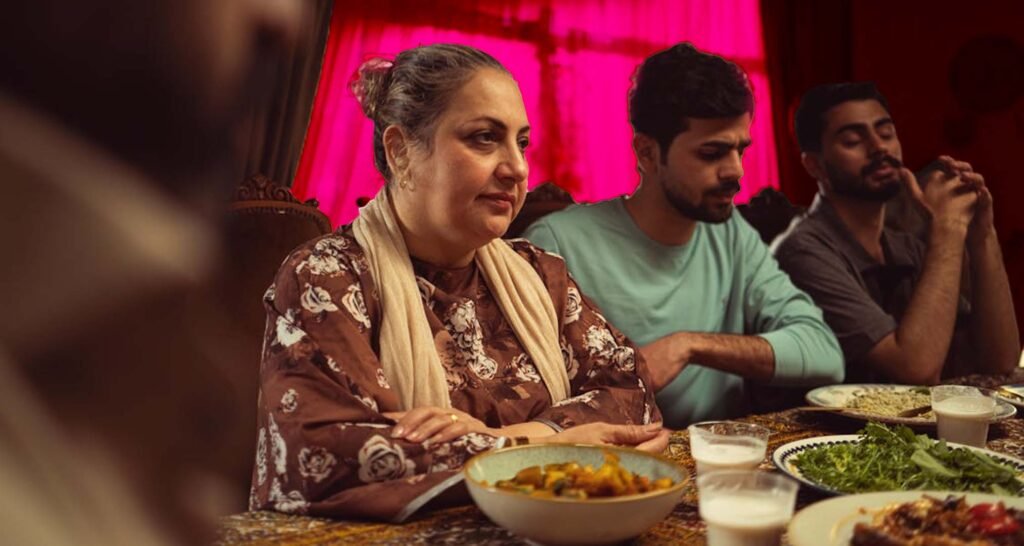
Autonomy, in the context of gender research, refers to an individual’s capacity to make decisions about their own life without requiring permission, justification, or negotiation with another person first.
The Population Council Pakistan’s Adolescents and Youth in Pakistan research series tracks how boys and girls inside the same household experience different levels of freedom. Their findings document a consistent pattern. After puberty, boys are encouraged to navigate the public sphere alone. They run errands, play sports, and move through the city alone. Girls’ mobility contracts to the interior of the home. Boys learn to take risks. Girls learn to seek clearance.
Dr. Shahnaz Wazir Ali, Pakistani educationist and sociologist, has written on this directly. Early gender roles inside the home determine adult confidence. The lesson, she argues, is not taught through any single rule. It is taught through a thousand small moments repeated across years. The child internalizes the rule as identity. Not as an instruction.
The World Bank’s Women’s Economic Empowerment in Pakistan toolkit records a specific number. Women make autonomous decisions about major household spending in only 6 percent of cases. Men do so in 38 percent of cases. A 32 percentage point gap in adult decision making does not appear from nowhere. It is built, carefully and quietly, in childhood.
Ninety percent of women agree that men deserve job priority when employment is scarce. The World Bank data shows this is not an imposed belief alone. It is an absorbed belief. The household taught it. The woman believes it. The system reproduces itself without needing to apply any external force.
Transactional Marriage in Pakistan: The Daughters Who Pay
The School Admission Nobody Discusses Out Loud

When a family moves one child from a government school to a private English-medium school, the decision seems financial. It is also gendered. Research from the Institute of Development Economic Alternatives Pakistan shows a consistent pattern. When households transition to private schooling, sons receive the expensive option far more often. Daughters remain in lower-cost institutions. The calculation, rarely stated aloud, is that a son represents a financial return. A daughter will marry into another family. Her education returns will leave with her.
Madeeha Gohar Qureshi, a Research Economist at PIDE, evaluates gender differences in school enrolment. Her focus is household dynamics and returns to education. Her analysis documents a key finding. High-income households invest in daughters’ education for marriage-market benefits. Not for labour-market returns. The education is real. The purpose behind it is not the daughter’s career. This is her rishta profile. The degree improves what she looks like on paper to a prospective family. It is not intended to make her independent.
Madeeha Gohar Qureshi’s data shows male average education at 6.567 years. Female average: 3.740 years. The daily wage gap follows directly. Male average: Rs 388.67. Female average: Rs 214.79. One quiet conversation about school admission produces a wage gap. It lasts a lifetime.
Higher Education in Pakistan: Who Gets In, Who Drops Out
Why Do Families Support a Degree They Do Not Want Used?

The Collective for Social Science Research in Karachi has documented a specific pattern. Its researchers call it the decorative degree. Families support a daughter’s higher education. They pay for it, encourage it, and take pride in it. Then, at the point of graduation, the family steps in. A job offer arrives. A career decision needs making. The decision to work is not the daughter’s to make alone. It is negotiated between her parents and her future in-laws. The degree was acquired. Its use requires permission.
Dr. Ayesha Khan, a senior researcher at the Collective, has documented this navigation directly. Women must clear family permissions to enter public work spaces. The obstacle is rarely a single refusal. It is a distributed system of conditions. The right location. The right hours. The right employer. The right level of approval from multiple parties at once. Most women do not clear every condition at once. Many do not clear them at all.
The World Bank toolkit records one consequence of this. Eighty-one percent of women-owned enterprises in Pakistan are home-based. Women work 25 fewer hours per week than men in comparable roles. The mobile phone ownership gap between men and women stands at 48.5 percentage points. Internet usage: men at 22 percent, women at 8 percent. Every one of these gaps connects back to the same source. The permission structure installed at home determines what a woman can reach outside it.
Feminism in Pakistan: The Bold Struggle Between Faith, Culture, and Equality
What Does This Look Like From the Inside?
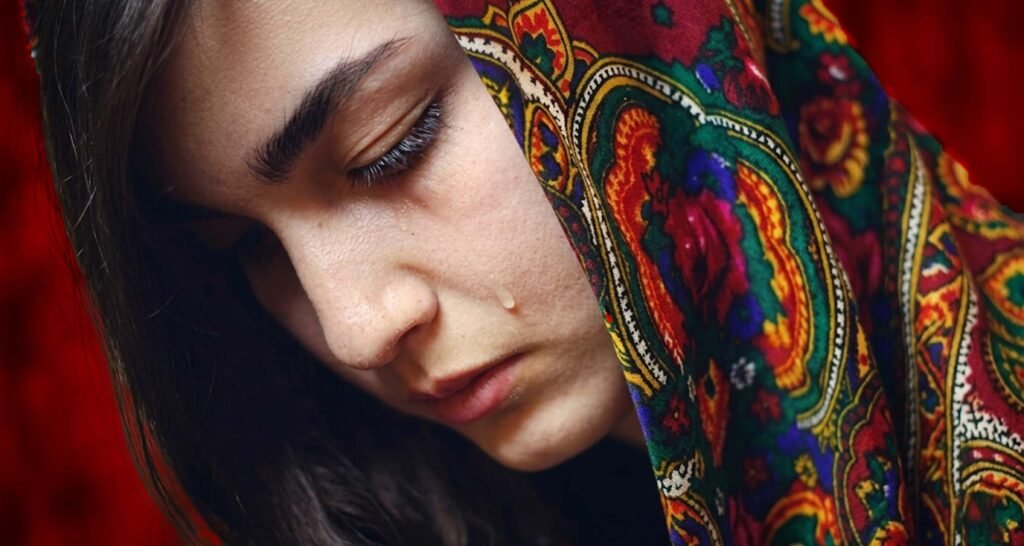
Research documents the pattern. The people living it describe its weight differently. Three accounts from my direct observation show the personal cost. Each is a different version of the same structure.
The first account belongs to a colleague. She works. She studies at the same time. She is the only daughter. Her family has two brothers. One of them is younger than her. She does not come from a rural area or an uneducated household. The inequality in her life does not arrive through ignorance. It arrives through a system her own family enforces. Her brothers are exempt from it entirely.
I can do anything, but it is never enough. I am never enough in my mother’s eyes, even though I am the only daughter and I have two brothers, one of them younger. I cannot fight men. Fighting with brainwashed women is even harder. Our own families are the ones who break us first. How can we expect outsiders to respect our feelings when our own home does not protect them?
I am working, I am studying at the same time, I have every skill in me, but what is the use when my own family humiliates me and makes me feel worthless? There are restrictions on everything. My brother married by choice and no one questioned him. But I am not even allowed to choose my degree freely. I do fight, but it exhausts me so much that I lose all strength afterward. I am tired. A colleague, interview with the author, 2026
The second account reaches across borders. A Bangladeshi friend described the situation of a mutual friend from Iran. In that household, one sibling lives on the other side of the country. His own apartment. Full financial support from their father. Freedom to pursue any degree. The other sibling is a medical student kept at home. She manages the household. She does the domestic work. She does not question the arrangement out loud.
When I shared my colleague’s story with her, we both went silent. One woman was fighting against restriction despite being fully independent. The other had stopped questioning restrictions because dependence had made resistance feel impossible. Two different countries. Two different circumstances. The same architecture.
The third account comes from a young woman who answered questions about gender inequality. Her response carries a different register: careful, measured, grounded in faith. It represents a tension millions of Pakistani women know. What religion promises. What culture delivers.
I always believe in justice. I don’t want women to be mistreated just because of their gender. In Islam, everything is about justice, and I don’t believe women are less than men. I feel that culture has failed women. If people actually followed the Islamic values given to women, they would be much happier and more respected. I think some parents treat their sons better, maybe because they believe men are more deserving, but I feel that is wrong. I just hope women are safe. Women are not asking for much, just respect, kindness, and to be seen as human beings, not objects. A respondent, interview with the author, 2026
A Deeper and Realistic Look at Patriarchy in Pakistan
The Cost Is Measurable. The System Keeps Running Anyway.
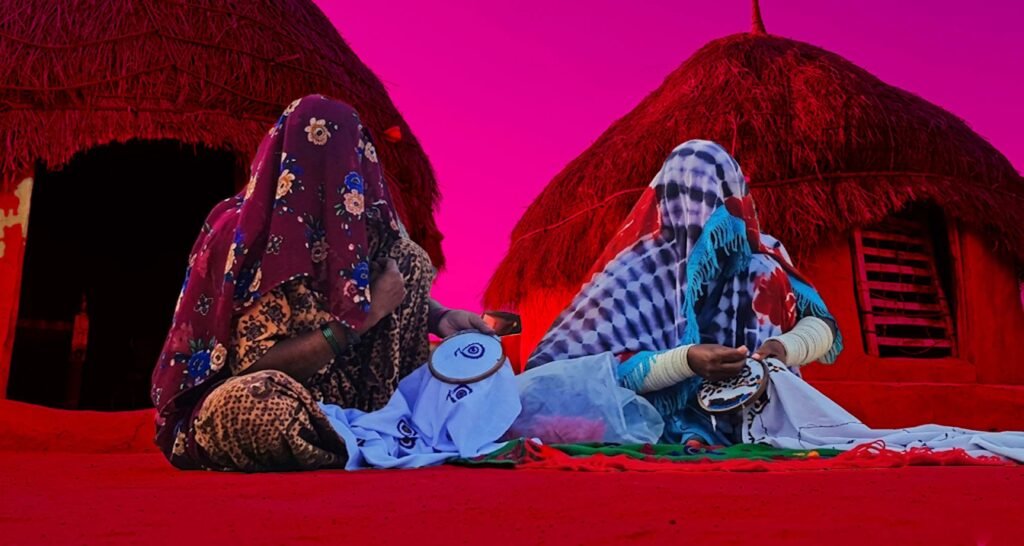
Gender and decision making is not only a justice question. It is an economic one. The World Bank estimates that women’s equitable access to healthcare and economic opportunity could boost the global economy by approximately US$1 trillion annually by 2040. Women who could start and scale businesses at the same rate as men could grow economies by an estimated US$5 to 6 trillion. Pakistan’s Women, Business and the Law score for 2024 stands at 42.5 out of 100. The global average is 64.2. The South Asia regional average is 45.9. Pakistan sits below both. The household system that restricts a woman’s decisions is not keeping her safe. It is keeping the economy poor.
Neda Mulji said this at the CCE platform on April 6, 2026: “Gender inequality must be addressed as an economic imperative, not merely a justice issue.” The framing matters. When inequality is treated as a moral question alone, it can be deferred. Measured in trillions of lost output, it becomes harder to postpone.
The World Bank Pakistan toolkit records a specific scale. Approximately 47 million working-age women sit entirely outside the labour force. Approximately 55 million women remain unbanked. Male labour force participation runs at approximately 84 percent. Female participation runs at approximately 25 percent. That 60 percentage point gap did not emerge from women choosing not to work. It emerged from a system that built the conditions for exclusion. One household decision at a time.
Women own 3 percent of houses and 2 percent of land in Pakistan. Men own more than 70 percent of both. Property ownership is not a measure of ambition. It is a measure of how many decisions a person was allowed to make. Whose name went on the paperwork when those decisions produced value.
What Islam Gave Women and What Culture Did With It
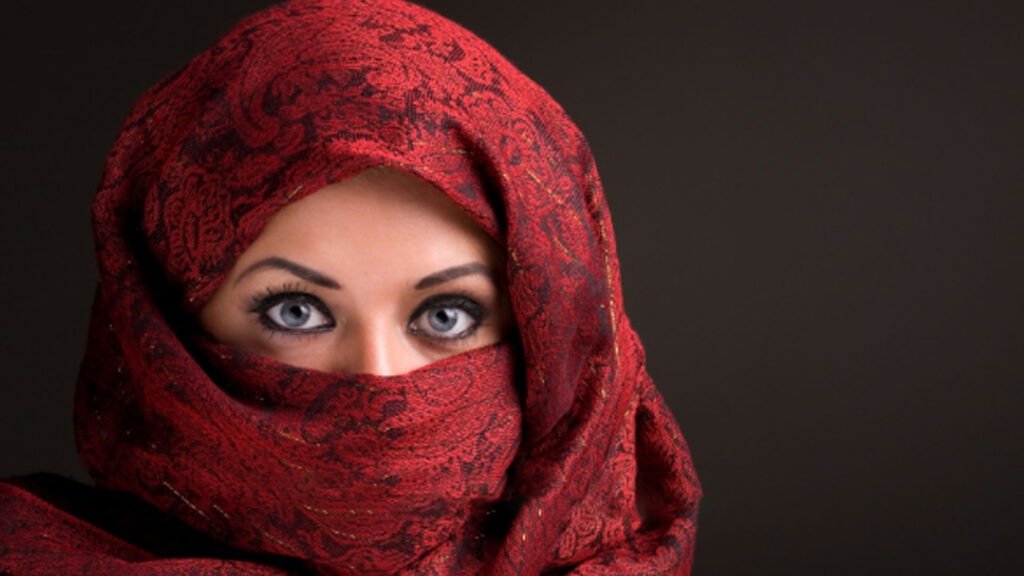
Pakistan is an Islamic Republic. The founding religion granted women rights to inheritance, business, consent in marriage, and education. These predate most legal systems. The Prophet Muhammad ﷺ stood when his daughter Fatimah entered the room. That is the foundational text. What many Pakistani households practice is not this text. It is a layered inheritance. Tribal custom. Colonial administrative structures. Patriarchal tradition. All dressed in religious language.
The difference matters for this argument. Gender and decision making in Pakistan is not an Islamic problem. It is a cultural problem that uses Islamic framing. The woman who cannot choose her own degree is not living under Islamic law. She lives under a family system that places its preferences above her rights. It found religion a convenient cover.
Dr. Shahnaz Wazir Ali has written on this specific harm. Conflating culture with religion in Pakistani households produces a distinct injury. A woman who knows her religion grants her rights faces a specific trap. Her own family is the obstacle. There is no institutional support to help her claim them. The law is on paper. The household has its own law. The household wins most arguments.
The Permission Structure Does Not End at the Front Door

The Population Council’s research on adolescent mobility shows that the early lesson, boys take action and girls seek clearance, does not stay inside the childhood home. It follows both siblings into adulthood. The boy who learned to move freely becomes the man who makes autonomous decisions. The girl who learned to seek clearance becomes a number in the World Bank data. She holds 6 percent of household decision-making authority. She accounts for 66.7 million of the 117.4 million doing unpaid domestic work. Pakistan’s 37th Labour Force Survey 2024-25 records this.
The colleague quoted in this piece is not an exception. She is a data point. Her exhaustion is the emotional form of a structural fact. Fighting a system your own household enforces is a specific kind of tiredness. It is worse when done in the name of people who love you. It does not appear in the World Bank spreadsheets. It appears at the end of a working day. A fully employed, fully educated woman is told she has not done enough.
Gender and decision making in South Asian households will not change through law alone. Property rights exist on paper. Inheritance rights exist on paper. Consent in marriage exists on paper. None of these have closed the gap the World Bank measures. None have addressed what Madeeha Gohar Qureshi documents. None have answered what Neda Mulji prices in trillions. None have responded to what a colleague said in four words: I am tired.
The 123-year timeline assumes the current rate of change continues. It does not account for the possibility that the change accelerates. It also does not account for the possibility that it slows. That choice belongs to the generation alive right now. It begins at the dinner table. Which child gets asked what they want. Which child gets told what is suitable. That is where the research says the gap starts. That is where it can be closed.




The author illustrates excellent research and communication competence, delivering an understandable and balanced explanation of the matter. The article is really captivating and powerful because of their ability to convey data-driven conclusions in a way that is understandable.
The author displays excellent analysis and communication abilities, providing a concise and sensible explanation of the matter. The article is really captivating and powerful because of their ability to present data-driven findings in a way that is understandable.
It’s fascinating how everyday decision-making is shaped by gender in ways we often don’t even notice.