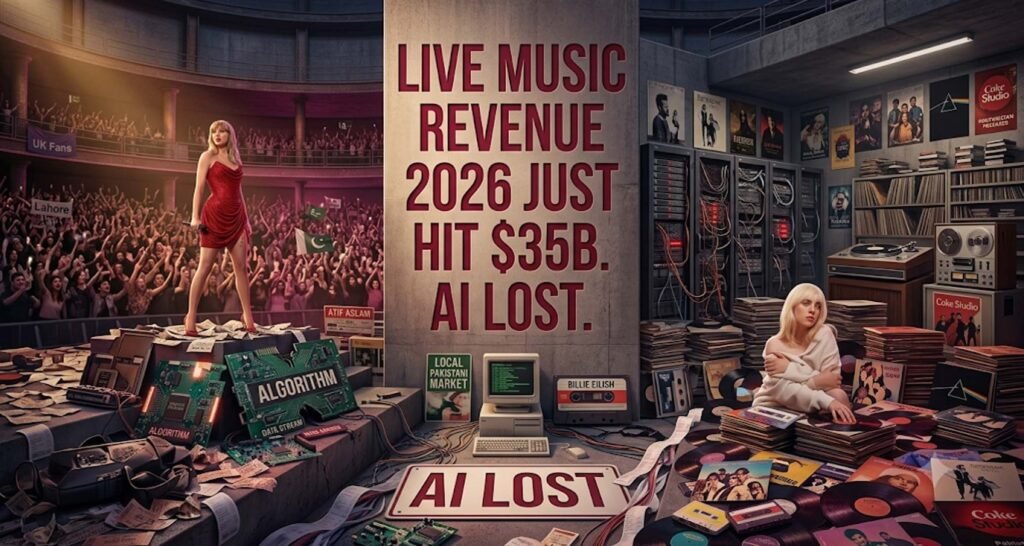
Streaming costs nothing. Fans still spent $35 billion on live music in 2026. Orphiq confirms this as the biggest year in music industry history. Concert ticket prices sit 20 to 30 percent above 2019 levels. Vinyl sales hit record highs. Cassettes are back. Live music revenue 2026 shattered records when AI flooded streaming with generated audio. Fans voted with their wallets. They chose the one thing algorithms cannot generate. Human presence. The receipts are $35 billion long.
Why Is Live Music Revenue 2026 Set to Top $35 Billion?
The Orphiq projection puts global live music revenue 2026 above $35 billion. This is not a post-pandemic bounce. The bounce happened in 2021 and 2022. Revenue kept climbing long after.
Taylor Swift’s Eras Tour grossed over $2 billion total. It stands as the highest-grossing concert tour ever recorded. Coldplay’s Music of the Spheres tour followed with its own historic totals. Beyoncé’s Renaissance World Tour sold out arenas on multiple continents. These tours did not happen in isolation. They defined a new spending ceiling for live entertainment.
Goldman Sachs described the phenomenon as a “concert supercycle” in a 2023 research note. That supercycle did not end. It strengthened.
Pollstar data confirmed that global concert revenue set consecutive records through 2023 and 2024. Live music revenue 2026 extends that streak. The number did not arrive by accident. Demand for live performance exceeded every supply forecast.
7 Famous Singers Who Disappeared from Bollywood — What Happened to Them?
What Is Really Driving Concert Ticket Prices So High?
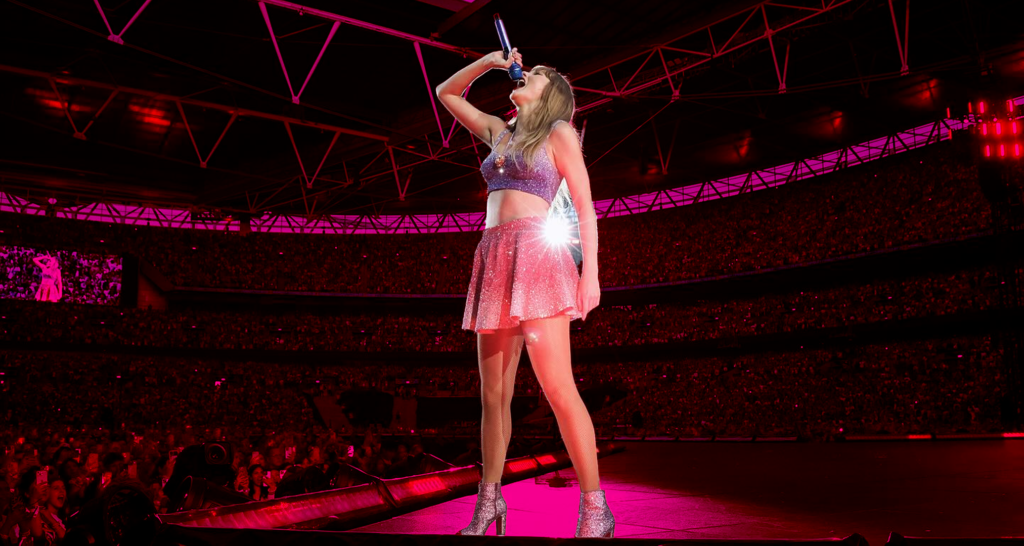
Concert ticket prices in 2026 now run 20 to 30 percent above 2019 levels. This is not inflation alone. Touring costs rose after the pandemic. Fan demand rose faster.
The explanation is scarcity economics. Streaming put every album ever recorded into everyone’s pocket for free. That removed music from the category of things worth paying for as a file. The scarce thing shifted. The scarce thing became the unrepeatable live performance.
Taylor Swift at Wembley Stadium on a specific night cannot be replicated. Billie Eilish performing to 60,000 people happens once. The ticket price reflects that singularity.
South Asian fans know this dynamic. Atif Aslam concerts across Pakistan, the Gulf, and the UK diaspora sell out fast. Concert ticket prices in these markets match Western premiums. The demand is global. The scarcity principle works identically.
Jaa Rahe Song. People Heard the Song. He Survived the Story.
Vinyl Revival 2026 Proves Fans Will Pay for Human-Made Music
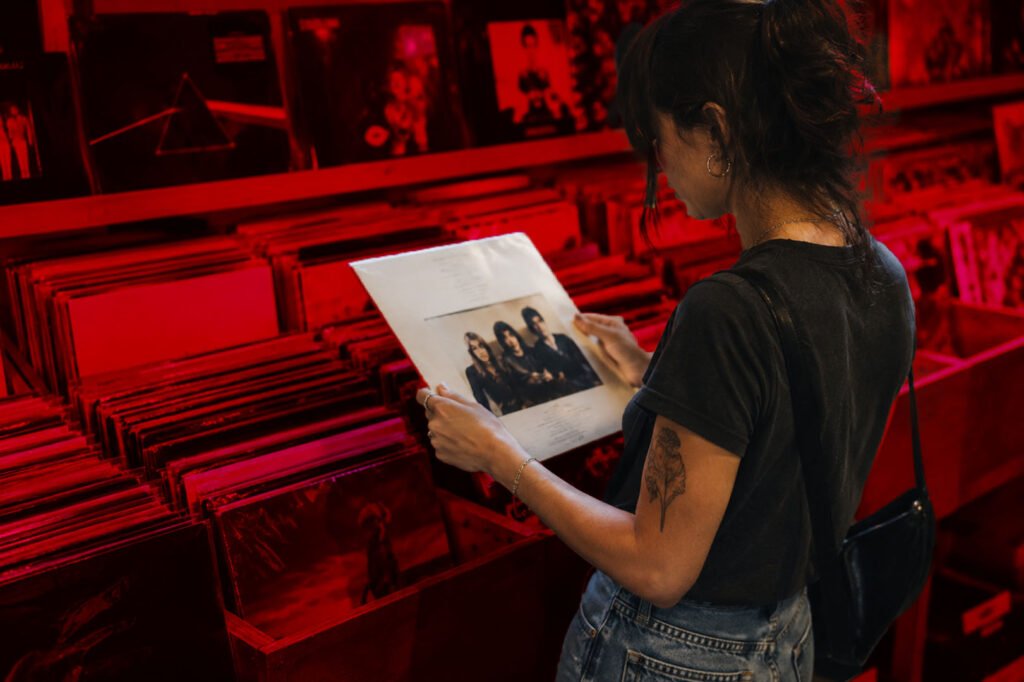
The vinyl revival 2026 is not led by older buyers missing their youth. BPI data confirms younger buyers now lead all vinyl purchases in the UK. These buyers grew up on Spotify. They chose vinyl anyway.
IFPI reported global vinyl revenues exceeded $1 billion in 2023. Sales grew through 2024 and accelerated into 2026.
The vinyl revival 2026 and live music revenue 2026 surge share one cause. AI-generated music flooded streaming platforms in 2024 and 2025. Production cost was near zero. Platforms like Spotify now host millions of AI-made tracks. Fans responded by spending on formats AI cannot replicate. Concert tickets prove a human performed. Vinyl proves a human recorded. Concert ticket prices rose 20 to 30 percent above 2019 levels. Vinyl sales hit record highs. These are not separate trends. They are one consumer vote cast simultaneously by millions of fans.
Vinyl revival 2026 is the measurable trend of young buyers choosing records over streaming.
Pink Floyd’s Dark Side of the Moon sells on vinyl every year without exception. Fleetwood Mac’s Rumours never leaves the vinyl charts. Led Zeppelin IV returns to bestseller lists annually. These albums pre-date streaming by decades. New buyers choose them as cultural statements.
Fake Influencer Relationships, the Viral Formula, and Why We Still Fall for It
How South Asian Artists Are Shaping Live Music Revenue 2026

Atif Aslam is not a regional act with a global following. He is a global act based in South Asia. His concerts in Pakistan, the UAE, and the United Kingdom sell out without exception. Concert ticket prices for his shows match Western market rates. The demand for live music revenue 2026 is not only a Western story. It is a global one.
Coke Studio Pakistan built a streaming audience that converts directly to live demand. Releases on the platform generate concert interest across South Asian communities everywhere.
Nusrat Fateh Ali Khan’s music reaches vinyl buyers across three continents. London, New York, and Lahore all stock his recordings on vinyl. Young buyers in Lahore choose his records over streaming in 2026. This is not a throwback. It is a deliberate statement about what music should feel like.
South Asian live music sits inside the global live music revenue 2026 surge. It is not a footnote. It is a primary economy.
Nazia Hassan Pop Queen, Remembering the Album Disco Deewane
Physical Media Authenticity Is the Asset AI Cannot Touch
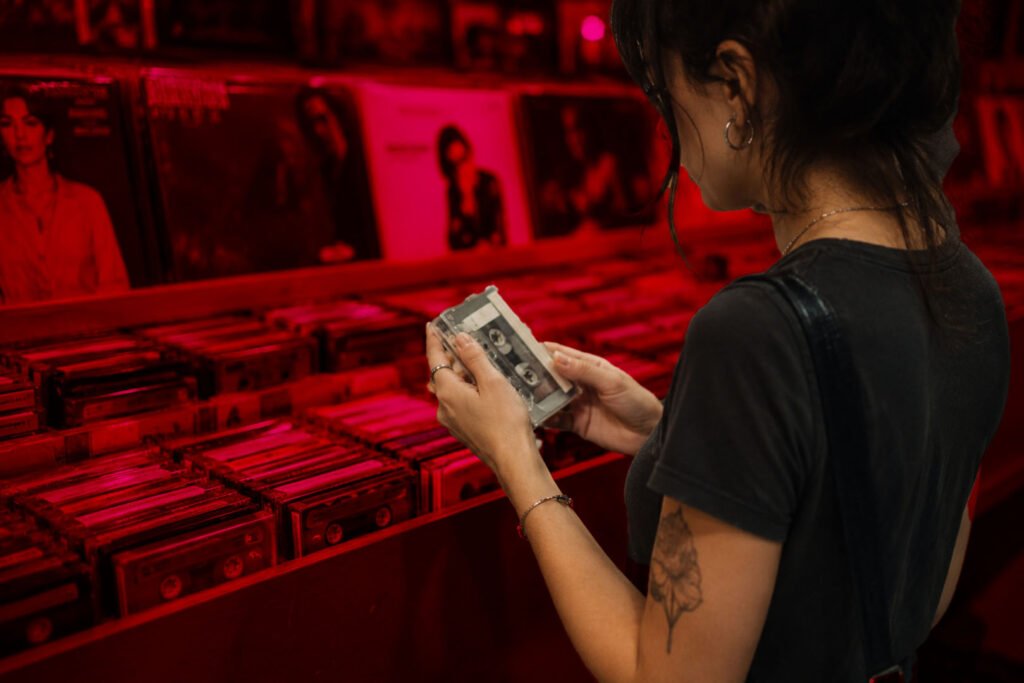
Physical media authenticity describes music in a format that proves human origin. A vinyl record is a receipt. A cassette tape is a receipt. A concert ticket stub is a receipt. Each one says a human was present when this happened.
AI-generated music cannot issue these receipts. It generates audio. It cannot sign a physical object with human intention.
This is why physical media authenticity drives the vinyl revival 2026. Fans are not buying records. They are buying proof.
The Beatles’ Abbey Road returns to vinyl bestseller charts regularly. Pink Floyd’s Wish You Were Here and Animals follow close behind. These are not legacy acts coasting on nostalgia. They are physical media authenticity anchors. Every listener who discovers them on vinyl commits to the format.
Pakistani buyers in their twenties choose Nusrat Fateh Ali Khan on vinyl in 2026. His music was human-made before streaming existed. It carries physical media authenticity from its very origins.
Hania Amir Stars in Sardar Ji 3 Trailer, But Can India Accept a Pakistani Actress?
Cassette Collecting Is the Clearest Vote Against AI-Generated Music
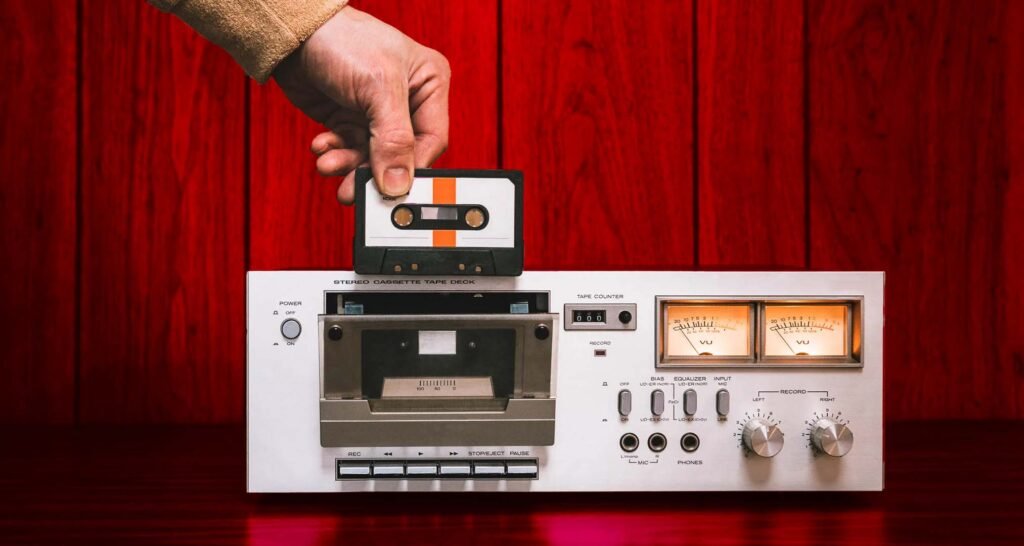
Cassette collecting sounds absurd in 2026. The numbers disagree. RIAA data shows US cassette unit sales climbed above 400,000 in 2023. That figure kept rising through 2025.
Billie Eilish released Hit Me Hard and Soft on cassette. Taylor Swift bundled cassette editions into Eras Tour merchandise. Harry Styles, Arctic Monkeys, and The Weeknd all pressed cassettes for recent albums. These are not marketing gimmicks. They are responses to verified fan demand.
Cassette collecting in South Asian markets fits the same pattern. Coke Studio Pakistan releases find cassette-format demand across diaspora communities. Nusrat Fateh Ali Khan’s recordings sell on cassette from Lahore to London. His voice was human before streaming existed. Every tape holds that proof intact.
Physical media authenticity runs through every cassette sale. No tape was ever AI-generated. Every cassette carries a human performance inside it.
Final Thoughts
The $35 billion is not a revenue milestone. It is a verdict. Fans auditioned every digital format available. They kept the ones screens cannot replace.
Concert ticket prices are not dropping. Vinyl production is not slowing. Cassette collecting is not fading. These facts share one implication. AI-generated music made human-made music scarce in a new way. Scarcity creates value. Fans understand this even when the music industry does not.
The industry now faces one real question. Does it invest in what fans proved they will pay for? Human artists. Live stages. Physical objects. Or does it chase AI efficiency and lose what it cannot replace?
The fans already decided. They left $35 billion to make that clear.