MARWA TAHIR / Pakistan
We were raised on the difference. Fear became discipline. Silence became expectation. Endurance was handed down as love. This is how generational trauma moves through Pakistani families without anyone saying a word.
Our parents survived. They just never healed. And we were raised on the difference. That difference is not loud. It does not announce itself. It arrives in the silence of a father who cannot say how he feels. In the grief that becomes anger. The anger that finds the nearest child. Love and harm occupy the same household. No one has words for either. This cycle does not move as memory. It moves as behavior. That distinction matters more than almost anything else this piece will say.
This is not about blame. The Vancouver Counselling Clinic makes this point directly in its trauma research. Naming something as trauma is about recognizing impact, not assigning fault. Love and harm can coexist in the same family story. Holding both truths is what makes space for understanding.
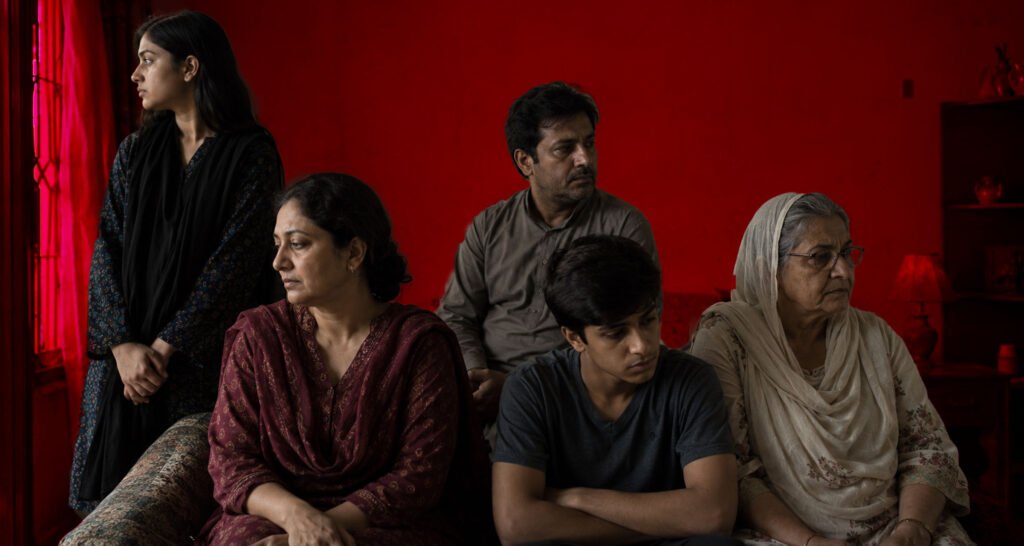
This article will not begin with data or statistical research papers. It begins instead with a middle-class household in Karachi, Pakistan where every member of the family is suffering from mental trauma, illness, or some form of mental disorder. This is not an outlier. This is a case study. Each dynamic inside it will be traced through clinical research on intergenerational trauma, attachment theory, and poverty’s neurodevelopmental impact.
It Moves Before Anyone Understands Why
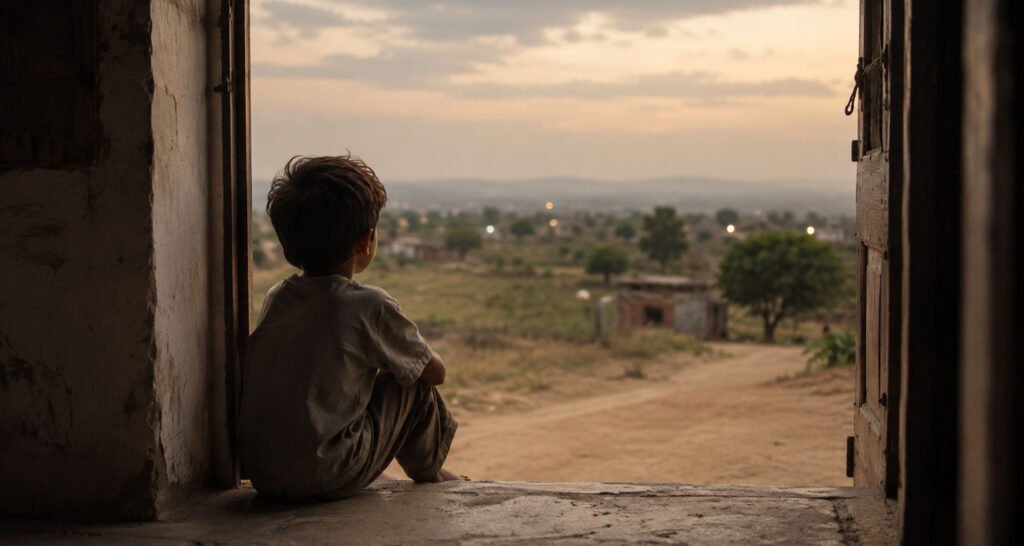
Generational trauma is what happens when the unresolved pain of one generation shapes the emotional environment of the next, not through conversation, but through changed behavior, unspoken expectations, and patterns that repeat before anyone understands why.
Calm’s 2024 published research describes it this way. Traumatic events pass through emotional, psychological, and physical effects to the next generation. A mother who fears abandonment raises a child who fears intimacy. No explanation is given. The conclusion forms anyway, through observation alone.
That is the mechanism. Not a conversation. An environment repeated daily. The child builds their model of the world from what they witnessed. Not what they were told.
Public survey research on trauma transmission found consistent agreement on one point. Children learn emotional responses through observation, not instruction alone. When caregivers respond to stress with panic or withdrawal, children absorb that as normal. The nervous system learns before the mind does.
Calm’s research also identifies the signs of this cycle in action. Recurring emotional issues are one marker: chronic anxiety, depression, or anger passed through a family line. Behavioral patterns are another: substance abuse, violence, or emotional withdrawal repeating across generations. Relationship difficulties follow, including struggles with trust and intimacy. Physical symptoms can also appear, including unexplained chronic health issues such as headaches, fatigue, and stomach problems, as unresolved emotional pain manifests in the body.
Gender and Decision Making: Raised to Lead. Raised to Ask.
Fear Becomes Discipline. The Child Learns the Difference Last.
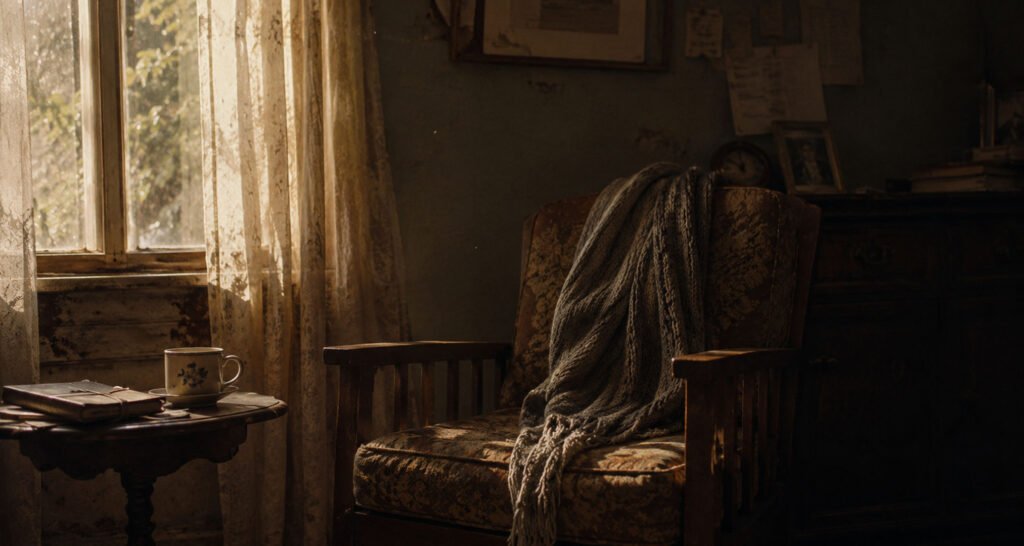
The backbone of the Asian household is the father. He was ten years old when his biological mother died in the labour room while giving birth to twins, the fifth and sixth children. None of them survived. His other siblings had also died before birth, one after another. His father kept trying anyway, kept planning for more children despite losing them every time. Within one year of his wife’s death, he remarried.
That ten-year-old boy lost his mother, lost siblings he never got to hold, and then gained a stepmother who was abusive, along with step-siblings and new kinds of hardship. He spent his entire life in a state of escape rather than stability. No clear goals. No purpose. Just survival mode with incomplete education. No one guided him. Still, he managed to complete his intermediate education. When he grew up, he was pressured into marriage.
Clinical context The death of a primary caregiver in middle childhood, ages 6 to 12, disrupts attachment formation at a critical stage. Research shows a surviving parent’s remarriage within one year, especially without grief processing, often compounds trauma. Children in such circumstances frequently develop an escape orientation: hypervigilance, difficulty with long-term planning, and an inability to build stable goals. The father’s incomplete education and lack of life direction are not personal failings. They are predictable neurodevelopmental outcomes of unprocessed childhood loss.
The Vancouver Counselling Clinic’s research documents how criticism disguised as care teaches a specific lesson. The child learns they are loved when they achieve. Not simply because they exist. Strict control produces hyperindependence. Staying up late becomes the only time that belongs to no one else. The child learns to survive the household before they learn to understand it.
Pondering Pandaz podcast on iHeart Radio hosted by Jayden and Ryan, documented this in an episode on Asian parenting. The language they recorded reveals the mechanism. “Don’t flinch or I’ll hit harder.” “Who gave you the courage to do that?” “I’m beating you, but I hurt too.” These phrases are not simply abuse. They are transmitted fear. A parent never allowed to feel fear passes it in the only form available. Control.
Higher Education in Pakistan: Who Gets In, Who Drops Out
What Silence Teaches When Nothing Is Ever Said
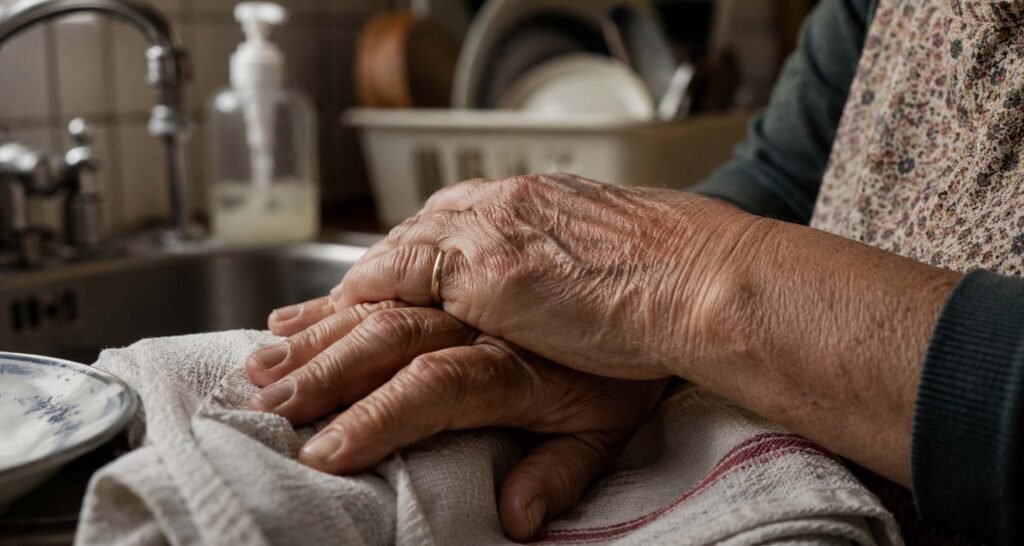
Now we turn to the pillar of the house, the mother. She comes from a village background, shaped by narrow-minded cultural norms. She grew up where daughters were given less importance than sons. Sons were always preferred. In that society, even basic awareness about women’s hygiene was missing. Girls’ education was not considered important. She was only educated up to middle school.
The twist is this: both individuals were cousins. The man came from an urban background, the woman from a rural background. Two different worlds. They were married by fate in 1995. One year later, in 1996, they had their first child, a daughter. Both of them, carrying their own unresolved trauma, unknowingly began passing it to this child.
Clinical context Cousin marriage is common in many cultures and not inherently harmful. However, when both individuals carry unprocessed attachment wounds from different ecological contexts, urban versus rural, educated versus under-educated, the marital system often lacks the shared vocabulary and emotional safety needed to interrupt trauma transmission. The fate framing of marriage in high-pressure family systems also removes agency, leaving both partners without an exit strategy from dysfunction.
Two years later, a son. Another two years, another son. Two years later, a daughter. Then, after two more years, a son. Back-to-back pregnancies across five years, with no recovery between them.
Across those five years, the woman was never able to recover from postpartum depression. She was never given the time or space to heal. Constant anger and irritability built inside her. Along with the burden of household chores and raising toddlers, she was also expected to fulfill her husband’s sexual demands.
Clinical context The recommended interval between pregnancies for maternal physical and mental health is 18 to 24 months. Back-to-back pregnancies without postpartum recovery support create a cumulative physiological and psychological deficit. Postpartum depression does not resolve with time alone. It requires rest, social support, and often treatment. When a woman is also expected to resume sexual activity immediately, the risk of postpartum mood disorders compounding into chronic irritability and displaced aggression toward children increases significantly.
So she began taking all of this frustration out on her first child, the daughter. Physical punishment. Verbal abuse. Forcing her into household responsibilities at a very young age. The child became the outlet for the mother’s unresolved pain.
In 2025, Aqsa Javaid and Dr. Munazzah Rabbani published research in the Journal of Development and Social Sciences examining transgenerational haunting. They document how grief that cannot be named does not disappear. It occupies the household as an atmosphere. Children grow up inside a feeling they cannot identify. They carry it into adulthood. They pass it on.
“The mother-child dyad is known for its capacity to elicit emotional ecstasy only equaled by resonances of guilt and rage.” Aqsa Javaid and Dr. Munazzah Rabbani. (2025), Journal of Development and Social Sciences, Pakistan
No adult in this household ever asked a child what they were feeling. Not once. The absence of that question is not neutral. It teaches the child that their internal states are not relevant information.
Clinical context The absence of reflective questioning, “What do you feel?”, is a marker of emotional neglect. When parents cannot name or validate emotions, children learn to suppress interoceptive awareness, the ability to sense their own internal states. The eldest children’s attempts to protect younger siblings is parentification: a role reversal where children perform emotional or practical caregiving that adults should provide. Parentification predicts later difficulties with boundary-setting, burnout, and compulsive caregiving in adulthood.
I read this on social media about: a parentified child, growing up everyone thinks you are an easy kid, you are too mature for your age, felt as a compliment. but eventually you realize that was never a compliment, a child should act like a child.
Why Social Media Is Making You Feel Worse Without You Noticing
What Does It Mean to Love Someone You Cannot Name?
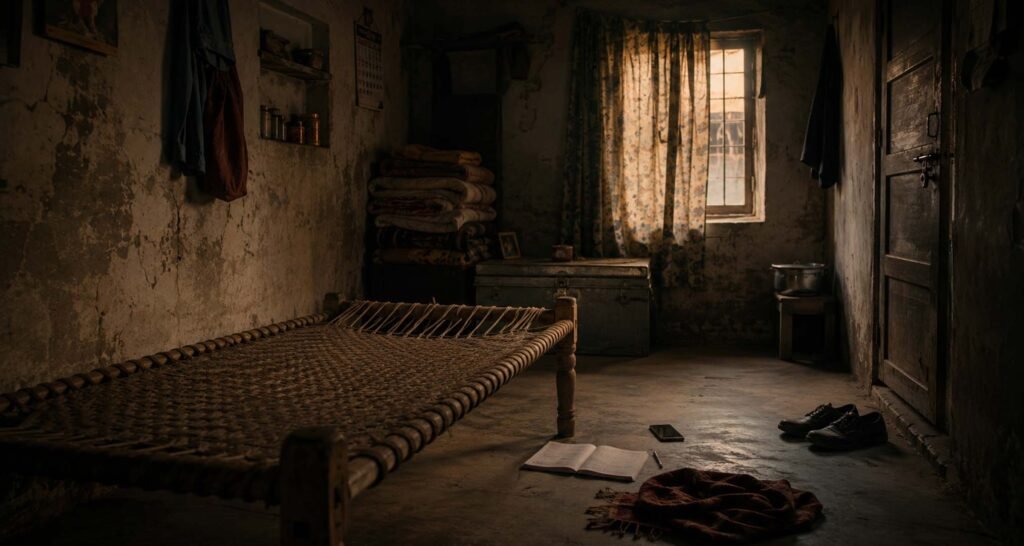
The father never had a stable income. He worked irregular daily wage jobs. The family struggled in poverty while raising five children. After some time, their financial situation improved. The man finally got a proper full-time job. They moved from a small area to a slightly better location. But still a one-room house.
They used to have intimate acts in that same room, in the presence of the children. It damaged the children’s minds, especially the eldest son. At a very young age, he became desirous of performing the act. Sometimes he tried to do something inappropriate with his younger sister. When he grew up, he got access to a mobile phone and became addicted to pornography.
Clinical context Children who witness parental sexual activity before age 5 to 6 often display sexualized behavior, confusion, or premature arousal patterns. This is not innate deviance. It is a learned neurobiological response to boundary violations. The eldest son’s early sexualized behavior toward a younger sibling is a classic transmission pathway: he is not bad but is acting out what he witnessed without the cognitive framework to understand it. Pornography addiction in adolescence is frequently a continuation of this premature exposure, not a separate moral failing.
The man never physically abused his wife. What was even worse was that he kept her in constant silent treatment and emotional neglect. He only fulfilled her basic needs and nothing beyond that.
Clinical context The silent treatment combined with minimal provision of basic needs is a form of emotional abuse. The Gottman Institute identifies stonewalling as one of the “Four Horsemen”, communication patterns that predict relationship breakdown documented across decades of clinical observation. When silent treatment is chronic and paired with sexual expectations, it creates a coercive environment where the wife has no emotional safety but is still expected to perform domestic and sexual labor. Many women in such marriages do not identify this as abuse because physical violence is absent.
Dixita Deka, writing for the Yale MacMillan Center in 2025, documents families living without closure. She describes them as people who lost their ability to think and speak, who do not want to remember, who do not want to forget, who continue to live. This is not pathology. It is the documented condition of households where loss was too large to hold. Too present to release.
Transactional Marriage in Pakistan: The Daughters Who Pay
The Patterns Nobody Named, But Everyone Learned
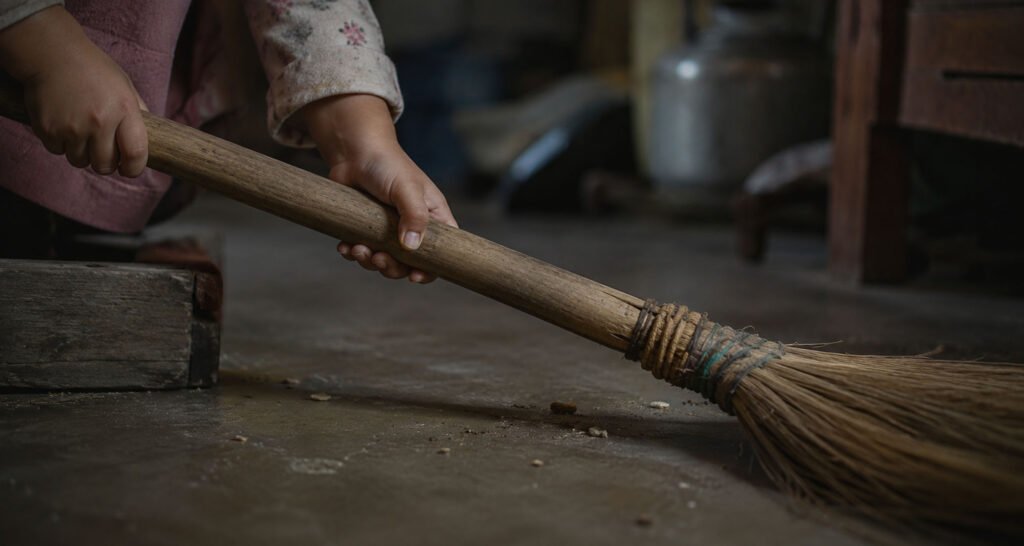
This inherited pattern rarely arrives as a single dramatic event. It arrives as a pattern repeated across years. The eldest daughter managed the household at eight years old. The sons were never held accountable for the same behavior. Each of these patterns has a documented name. Each produces specific, measurable outcomes in the adults those children become. None of them require the word trauma to cause damage. They only require repetition.
The woman had no understanding of personal hygiene or female necessities: undergarments and sanitary pads. The man had no awareness of these things either. The woman lived in ignorance, believing that what she was experiencing was the only reality. This lack of awareness passed directly to her daughters. She had no knowledge of puberty, no understanding of post-puberty care. She could not teach her daughters about undergarments or sanitary pads, because she herself had gone through the same absence of guidance.
Clinical context: Lack of knowledge about sanitary hygiene is not merely poverty. It is the result of systemic shame around female bodies in many rural and conservative settings. When a mother cannot teach her daughters about puberty hygiene, the daughters enter menarche with fear, shame, and increased risk of infection. This is a gendered form of intergenerational neglect that has no male equivalent.
Nine years after their fifth child, they were expecting another. Completely unplanned. Neither the man nor the woman had planned it. Before this child was born, the woman was already mentally exhausted. She did not want this child. She wished for an abortion. She even tried taking medicine to terminate the pregnancy. But the child was destined to be born. Immediately after the birth, she returned to her responsibilities the very next day.
Clinical context Attempted self-managed abortion with medication is a marker of profound reproductive distress. When a woman does not want a child but carries to term and then returns to full physical labor the next day, she experiences a double violation: her reproductive autonomy denied, then her recovery period erased. This pattern predicts severe postpartum depression, dissociative symptoms, and increased risk of neglect or hostility toward the unwanted child. The child born from such circumstances is often unconsciously blamed for the mother’s suffering.
One important strength remained within her: she did not compromise on her children’s education. She ensured all her children were enrolled in school on time. She strictly enforced their education. She also placed strong emphasis on religious education and made sure they learned the Quran.
The child being pulled out of bed for school at six in the morning did not yet know this was love. It felt like pressure. It would take years, if it happened at all to understand that this insistence was the only form of hope her mother knew how to give.
The man had almost no role in this. He only provided financial support, limited and unstable, mostly after conflicts with his wife. He showed no real interest in whether the children received an education, partly because he himself had not completed his own. He often said that if they studied, it was fine, and if not, it did not matter.
Clinical context The belief that “if I cannot succeed, my children will” is a common trauma-driven compensatory strategy. It is not inherently harmful. Education is protective. However, when this belief is paired with emotional neglect and favoritism between sons and daughters, it creates a conditional love environment. Children are valued for their performance, not their existence. The mother’s enforcement of education is simultaneously an act of love and an act of wounding. She fights for their future. She cannot see them outside her own unmet ambitions.
What Does the Older Generation Call This, If Not Pain?
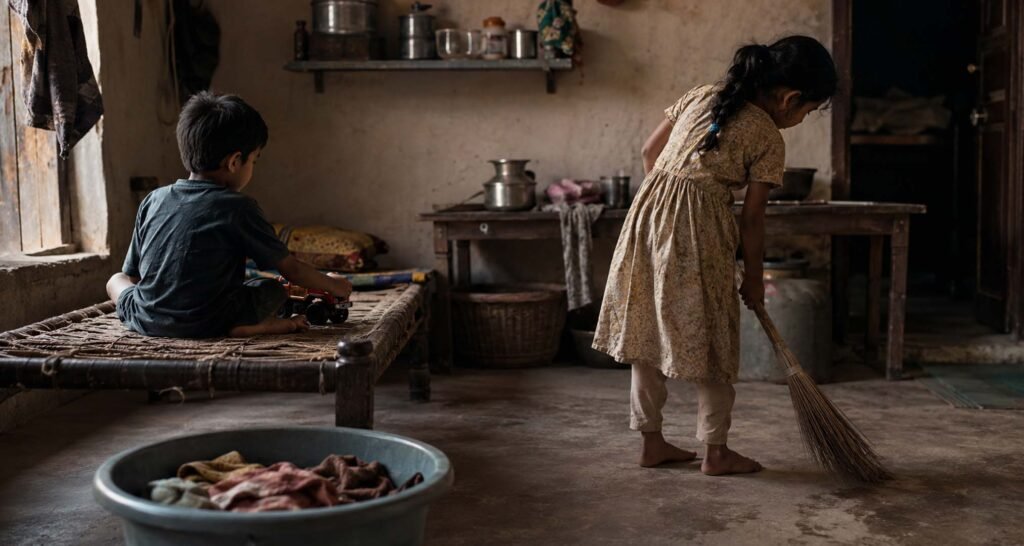
The youngest daughter had to grow up before her time. The responsibility of the youngest child fell on her. At a very young age, she was given the label “choti maa”, little mother. She was expected to act according to her elder sister’s age. Both were treated almost equally in terms of responsibility. Meanwhile the sons were excessively indulged and rarely held accountable for their behavior.
Clinical context Gender-based favoritism, sons indulged and daughters burdened, harms both. Sons raised without accountability or discipline fail to develop frustration tolerance, empathy, or impulse control. They become the disrespectful and irresponsible adults described here. Daughters raised with excessive responsibility develop anxiety, perfectionism, and difficulty trusting others to carry equal weight. In old age, parents who practiced such favoritism often find that the indulged children do not care for them, because no responsibility was ever modeled, and the burdened children are too exhausted or resentful to care for them either. The cycle completes.
Reenee Singh’s 2026 research appeared in the Australian and New Zealand Journal of Family Therapy. She interviewed first, second, and third-generation Partition survivors. Her research found the same adversity could be read as negative, positive, or transformative. It depended on who was doing the reading. Spiritual and community resources helped healing. But the same behaviors that protected one generation often confused or wounded the next.
Kashish Mehta’s 2025 research documents chronic stress and dysregulated responses from prolonged social exclusion. Attachment patterns, learned helplessness, and internalized shame shape environments where control was the only tool. The younger generation recognises what the older generation called strength. It required a cost.
None of the children in this household were mentally stable. From childhood to adulthood, they all lived in survival mode. The parents never broke the cycle. As a result, the children are now continuing the same pattern and passing this burden forward.
The Wound That Started Before Anyone Now Living Was Born
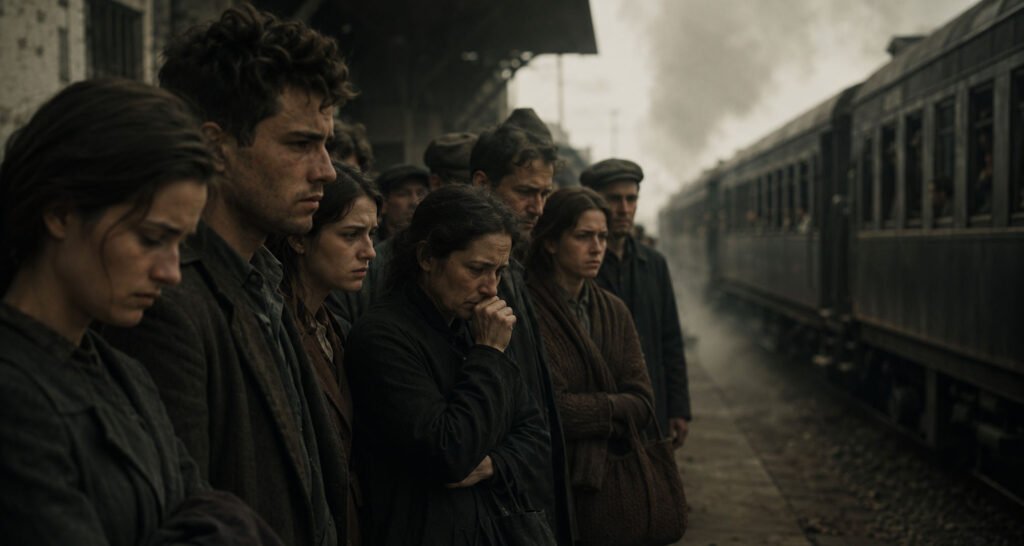
For Pakistani and many South Asian families, the originating wound is 1947. The Partition created displacement, mass violence, and communal loss. There was no institutional response. There was no clinical support. The Tribune India’s October 2025 reporting records over 500,000 Sikhs, Hindus, and Muslims who came to Britain after Partition. Inderjit Singh Sandhu documented three generations of Partition survivors in the United Kingdom. With few original settlers surviving, he noted this is the last chance to capture what shaped their heritage.
Those who survived Partition did not receive therapy. They received time, and the expectation that they would continue. Dixita Deka’s Yale research frames living without closure as norm rather than exception. They do not want to remember. They do not want to forget. They continue to live. Their children inherited the silence. Their grandchildren feel the shape of something that was never named for them.
Dr. Hasan Waheed’s clinical work begins precisely at this point. He describes the Partition as the original wound. It still shapes how Pakistani families process grief, loss, and fear. The family story many Pakistani households carry is not their own. It came from people who survived something they could not explain. And never tried to.
The public responses gathered on trauma transmission confirmed what the clinical literature shows. Whether through biology, behavior, attachment, or direct experience, the effects of unresolved trauma rarely remain confined to a single individual. They shape families, relationships, and future generations in ways that are subtle, complex, and frequently invisible.
Healing Without a Map

What does healing look like when the generation above had no language for it?
It does not look like confrontation. A parent never asked what they felt hearing that question now as an accusation. It does not look like an explanation. Naming the pattern to the person who built it rarely lands the way hoped.
Reenee Singh’s 2026 research offers one answer. Spiritual and community resources served as genuine protective factors for Partition survivors. The same adversity could be transformed by how it was held. Dixita Deka at Yale offers a different answer. Closure is a Western concept. Many families live without it, and that is not failure. It is simply the condition of living after something too large to fully process.
Calm’s research notes that support systems and role models help people interrupt negative patterns. Recognizing that something happened, and need not be passed on, is itself an intervention. Not a cure. An interruption.
The children in the Karachi household this piece traces are now adults. None of them are mentally stable by their own account. All of them survived, just as their parents survived. Generational trauma does not end when the original event ends. It ends when one person stops carrying the silence as if it were tradition. That decision does not require the generation above to participate. It only requires one person. It requires asking the question no one in that household was ever asked.
What do you feel? And to mean it.






Author tackles a deeply important subject with sensitivity and clarity. She initiates a crucial discussion on mental health, family dynamics, and personal growth through an examination at how unresolved grief is frequently passed on rather than addressed.
It’s just sad to see kids carrying the generational trauma.